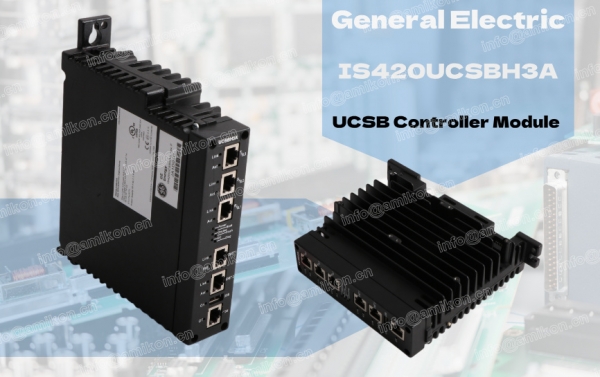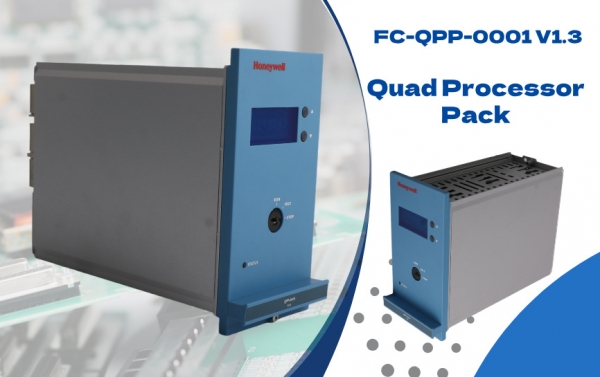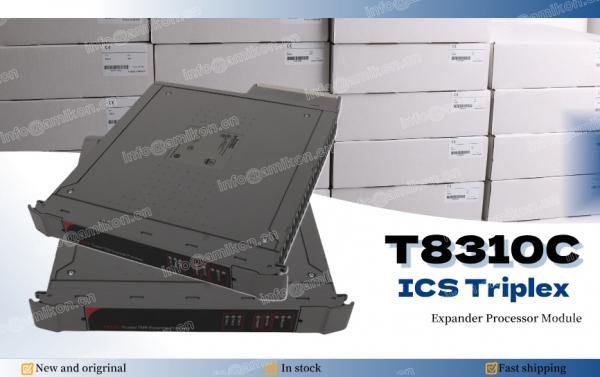



Today's systems. Tomorrow's challenges.
Industrial automation is moving rapidly toward connected systems, advanced analytics, artificial intelligence and new generations of control platforms. Yet across process industries, manufacturing plants, power facilities and other industrial operations, a significant amount of existing automation infrastructure remains in service.
PLCs, DCS controllers, HMIs, I/O modules, drives, communication equipment and other control-system components may continue operating reliably long after their original manufacturers have moved to newer product generations.
This creates a growing challenge for plant operators and maintenance teams in 2026: how to maintain aging automation systems when the equipment is still operational, but some of the spare parts are becoming difficult to source.
The issue is not simply about old equipment. It is increasingly about lifecycle management, spare-parts availability, maintenance planning and the transition from aging systems to newer automation platforms.
Three things to take away
A plant can outlive its parts portfolio.
OEM product lifecycles and operating plant lifecycles do not always align.
Exact identification comes first.
Confirm model, revision, condition and compatibility before sourcing.
Support the transition.
Plan critical spares alongside a phased upgrade of the installed system.
Aging Control Systems Are Still Part of the Industrial Landscape
Industrial plants are rarely replaced from the ground up.
A production facility may have been expanded or upgraded several times, leaving different generations of automation equipment operating together. A newer control system may communicate with older PLCs, while earlier-generation HMIs, I/O modules, drives or communication interfaces remain connected to existing equipment.
This creates a mixed automation environment.
Depending on the plant and application, the installed base may include automation equipment from manufacturers such as a control-system supplier, a process-control supplier, a process-automation supplier, an industrial-controls supplier, an industrial-automation supplier, a PLC supplier, a process-control supplier and a condition-monitoring supplier.
For engineering and maintenance teams, the fact that a product is no longer part of a manufacturer's current portfolio does not necessarily mean that the plant can immediately replace it.
The existing system may still be performing its intended function, while replacing it could require engineering changes, testing, commissioning and a planned production interruption.
This is why installed control systems remains an important operational issue in 2026.
Product Lifecycle and Plant Lifecycle Are Not the Same
One of the most important considerations when managing installed control systems is the difference between the OEM product lifecycle and the operational lifecycle of the plant.
An automation component can move through several commercial stages:
Illustrative lifecycle stages; terminology and status vary by manufacturer and model.
However, the production system using that component may continue operating.
A PLC installed several years ago can still control a critical machine. A DCS I/O module can remain connected to a process unit. An HMI can continue to provide operators with the interface they know and use every day.
The resulting gap between equipment lifecycle and plant lifecycle creates a practical maintenance challenge.
The question becomes less about whether a component is “old” and more about:
Can the plant obtain the right spare part when it is actually needed?
That distinction is particularly important for critical automation components where an unexpected failure can affect production availability.
Why Obsolete PLC and DCS Spare Parts Still Matter
A discontinued automation component may represent only one part of a larger control architecture, but its failure can have consequences beyond the individual module.
Depending on the application, a critical spare may be associated with:
Make decisions
Control processors
Process controllers
Move information
Remote I/O · Digital & analog I/O
Communication interfaces
Industrial networks
Keep systems working
Power supplies · HMI systems
Drives · Vibration monitoring
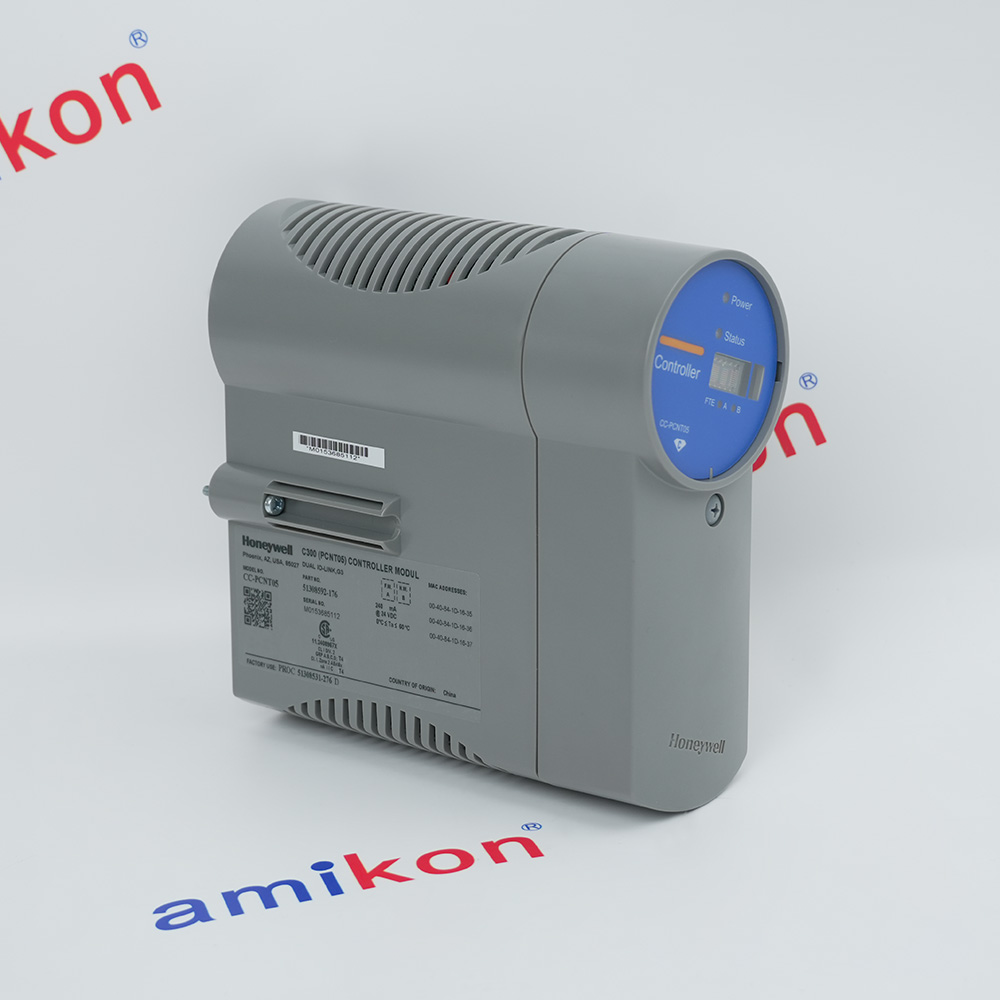
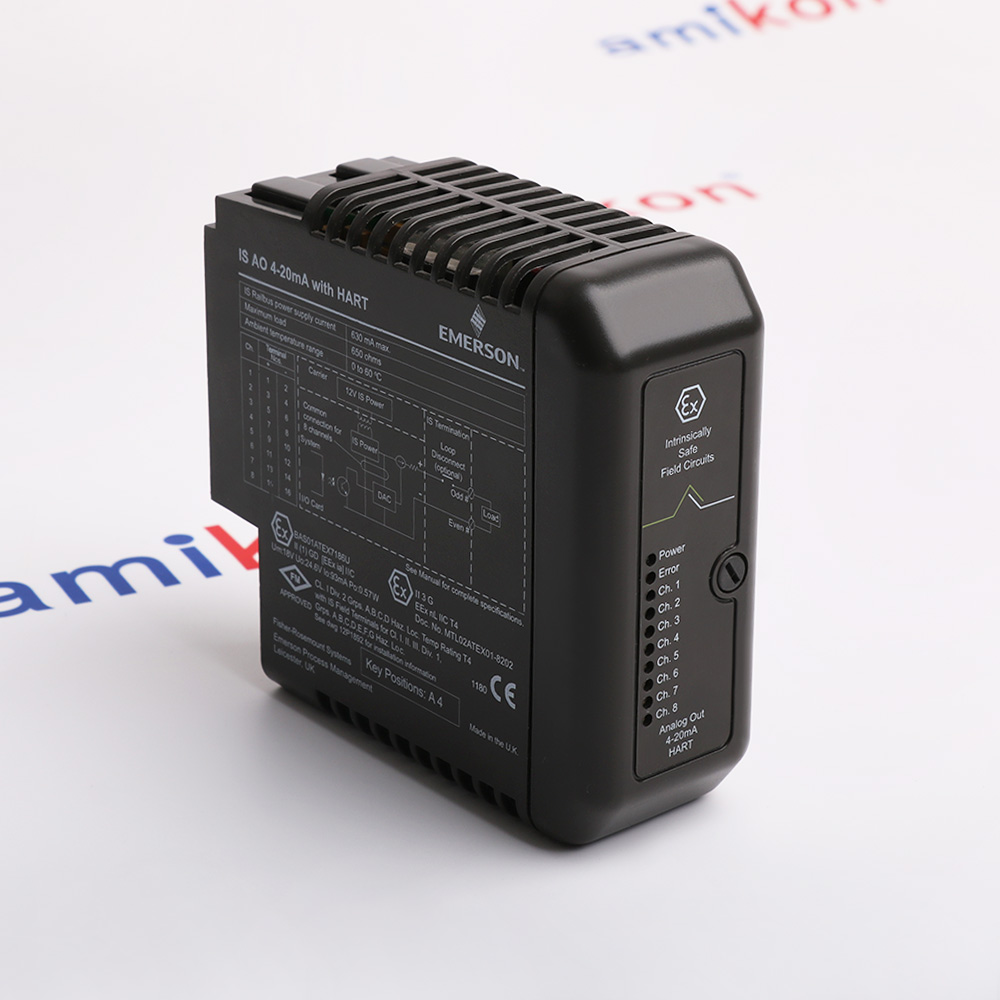
For example, a plant operating an established a process-control supplier C300 control system may require a specific controller or associated module to maintain the existing installation.
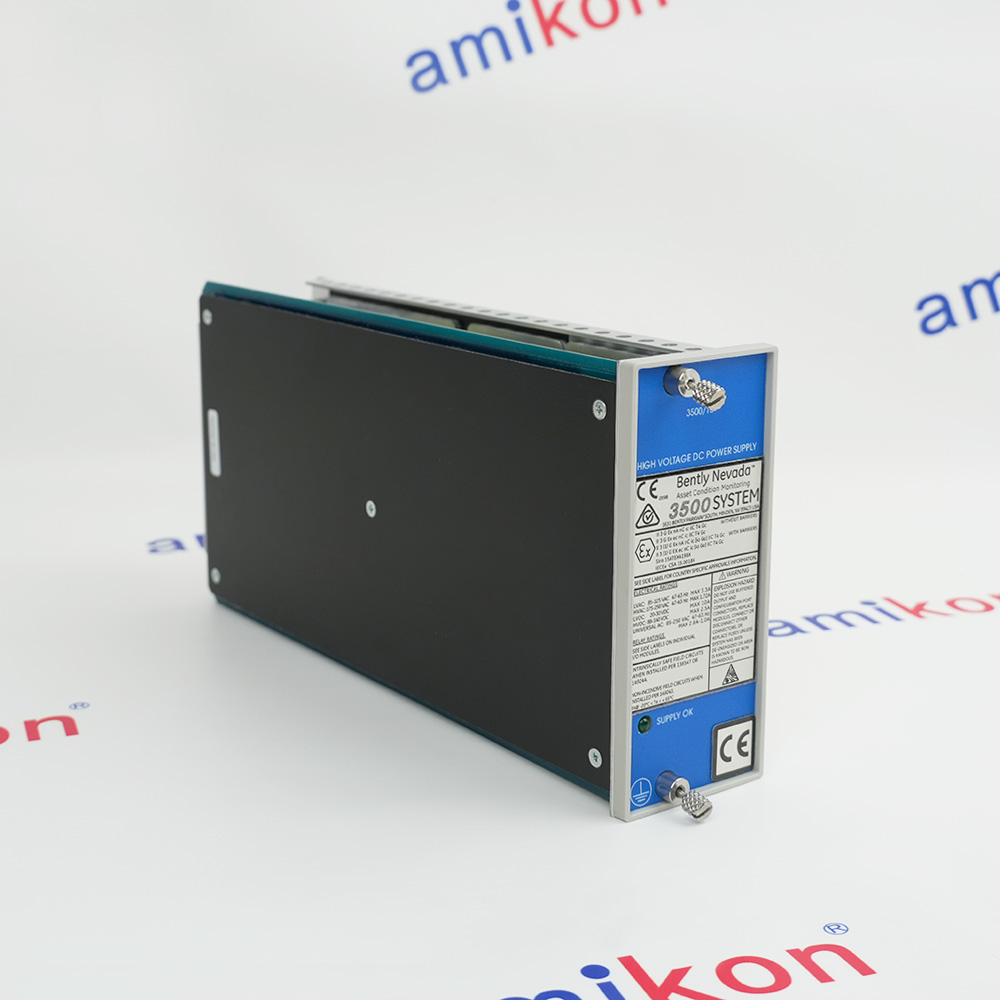
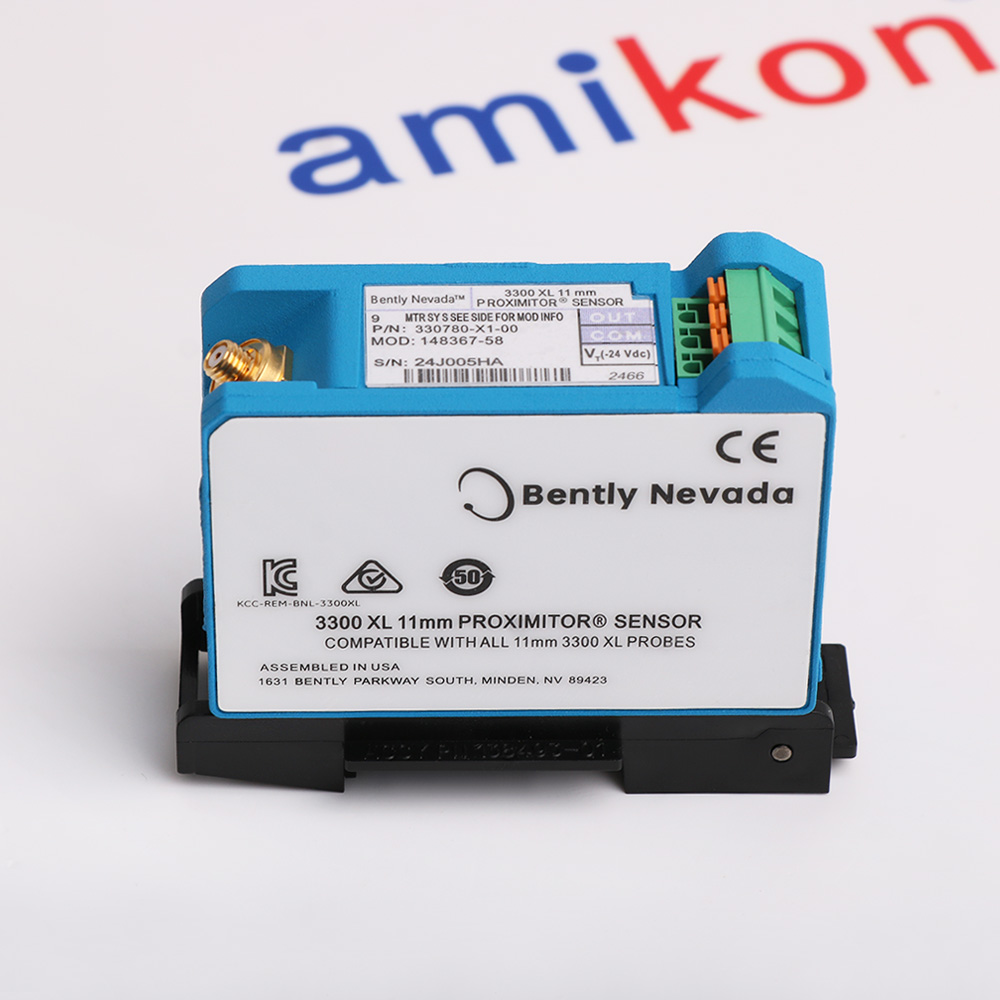
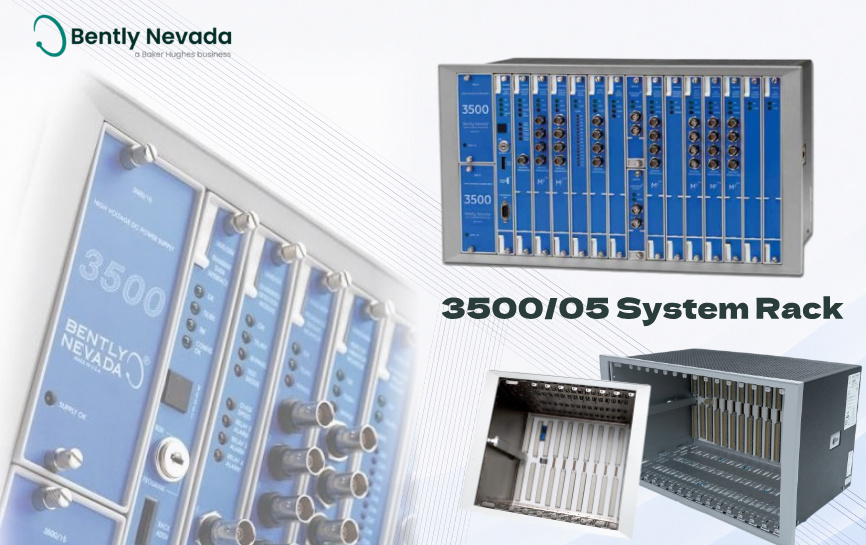
Similarly, facilities operating legacy a control-system supplier automation systems, a process-automation supplier control platforms, an industrial-controls supplier PLC systems or a condition-monitoring supplier monitoring systems may need specific spare parts to support installed equipment during maintenance or modernization.
Exact identification comes first
A similar-looking replacement is not automatically a suitable replacement. Model number, hardware revision, application requirements and system compatibility may all need to be considered before procurement.
The Growing Challenge of Sourcing Discontinued Automation Parts
As manufacturers introduce new product generations, older components may gradually disappear from normal distribution channels.
Availability changes.
Precision still matters.
This can create several problems for procurement teams.
A commonly available component may be relatively easy to replace. A discontinued PLC processor or specialized DCS module can be much more difficult.
to a confirmed requirement.
A clearer path to procurement
07 STEPSThe sourcing process may involve:
-
Exact Model Identification
Record the complete manufacturer and part number.
-
Lifecycle Status Check
Check the lifecycle status of the exact component.
-
Availability Search
Identify sourcing options for the specified model.
-
Condition Verification
Clarify the required and available product condition.
-
Quantity Confirmation
Match available units to the maintenance requirement.
-
Lead-Time Assessment
Compare the expected lead time with the required date.
-
Procurement
Confirm the requirement before placing the order.
Plan before the maintenance window
This becomes particularly important before planned maintenance shutdowns.
A spare part that is difficult to source after an unexpected failure can often be managed more effectively when the requirement is identified in advance.
Maintenance Planning Is Becoming More Important
For many industrial facilities, the most effective time to review critical spare requirements is before a failure occurs.
During a planned shutdown, engineering and procurement teams may already have a list of critical equipment requiring inspection or maintenance.
This provides an opportunity to review the associated automation components.
A practical review can include:
| Check | Key question |
|---|---|
| Exact model | Do we have the complete part number? |
| Installed quantity | How many units are currently operating? |
| Criticality | What happens if the component fails? |
| Spare quantity | Do we have an adequate backup? |
| Lifecycle | Is the component active, phased out or discontinued? |
| Availability | Can additional units still be sourced? |
| Condition | What product condition is acceptable? |
| Lead time | Can the part arrive before the shutdown? |
This approach can help separate routine spare requirements from critical aging components that deserve additional procurement attention.
Building your shutdown parts list?
Start with exact model numbers, quantities and your required date.
One Plant Can Mean Multiple Automation Brands
The sourcing challenge becomes more complicated in multi-brand environments.
A single industrial facility may operate:
from different manufacturers.
For a system integrator or MRO procurement team, this can create a surprisingly complex spare-parts requirement.
A shutdown project might involve an a control-system supplier I/O module, a a process-control supplier controller, an a process-automation supplier component, a an industrial-controls supplier PLC part and a a condition-monitoring supplier monitoring module at the same time.
In these situations, the procurement requirement is not simply:
“Find a PLC.”
It may be:
“Find the exact components required, verify availability and have them ready before the maintenance window.”
This is where a multi-brand sourcing strategy can become valuable.
Spare Parts Can Support Brownfield Modernization
Spare parts for installed systems are not necessarily in conflict with automation modernization.
In many brownfield projects, maintaining the existing system during the transition period is part of the modernization strategy.
A plant may decide to gradually replace an aging control platform rather than attempt a complete replacement during a single shutdown.
The transition could involve:
- 01Installed Control System
- 02Lifecycle Assessment
- 03Critical Spare Identification
- 04Short-Term Support
- 05Phased Modernization
- 06New Automation Platform
This approach recognizes an important reality:
Modernization does not always happen overnight.
During the transition, existing PLCs, DCS modules, HMIs and other automation components may still be required to keep production running.
Securing critical spare parts can therefore provide additional operational flexibility while engineering teams plan the longer-term modernization project.
Legacy support and modernization: a planning comparison

Installed-system spares support
- Primary purpose
- Maintain the installed system
- Planning focus
- Exact parts, condition and availability
- Shutdown needs
- Depend on the repair and application
- Procurement scope
- Specific compatible components
Provide short-term system support
Phased modernization
- Primary purpose
- Transition to a newer platform
- Planning focus
- Engineering, integration and commissioning
- Shutdown needs
- Planned around each migration stage
- Procurement scope
- New equipment plus transition spares
Define the longer-term replacement plan
Two approaches. One connected plan.
Critical spares support today's operations while engineering teams prepare the next stage of modernization.
What Procurement Teams Should Consider Before Buying an Obsolete Part
Finding an obsolete part is only the first step.
Procurement teams should also consider whether the supplied component meets the requirements of the application.
A three-part verification checklist
Identify the component
Establish exactly what is required.
- Exact part number
- Manufacturer
- Hardware revision
Check suitability
Match the supply to the application.
- Product condition
- Packaging
- Technical documentation
- Compatibility requirements
Confirm delivery needs
Align procurement with the maintenance window.
- Quantity
- Availability
- Required delivery date
For critical maintenance requirements, these details can be more important than simply finding the lowest-priced listing.
A supplier that understands the importance of exact model identification and availability can help reduce uncertainty during the procurement process.
The Role of Multi-Brand Automation Spare Parts Suppliers
As industrial plants continue operating mixed generations of automation equipment, sourcing requirements are becoming increasingly diverse.
One requirement.
Several product families.
A supplier may be asked to locate:
Obsolete PLC processors · DCS controllers
I/O modules · HMI panels
Power supplies · Communication modules
Drives · Industrial PCs
Vibration monitoring components
Other discontinued automation parts
A clear sourcing process
- IdentifyThe required part
- ConfirmAvailability
- VerifyThe requirement
- ReceiveWithin the required timeframe
For planned shutdowns and urgent maintenance, having a reliable sourcing channel for difficult-to-find automation components can become an important part of the overall maintenance strategy.
Discuss your parts requirementAMIKON and Installed Control-System Spare Parts
AMIKON supports customers sourcing industrial automation spare parts across multiple automation brands and product categories.
Its product range covers PLC, DCS, HMI, I/O modules, power supplies, industrial networking, drives, MCC, UPS, industrial PCs, vibration monitoring, process instruments and other automation spare parts.
For customers maintaining mixed or installed control systems systems, AMIKON provides a multi-brand sourcing channel for specific automation components.
Relevant product categories and brands can be explored through the AMIKON website, including a control-system supplier Automation Spare Parts, a process-control supplier Automation Spare Parts, a process-automation supplier Automation Spare Parts, an industrial-controls supplier Automation Spare Parts and a condition-monitoring supplier Spare Parts.
Explore related automation components in the product selection below.
These product references provide a direct path for engineering and procurement teams that are researching a specific component rather than browsing a general product catalogue.
Preparing for the Next Maintenance Window
The continued use of installed control systems does not necessarily mean that plants are unwilling to modernize.
In many cases, it reflects the practical realities of industrial production.
Existing control systems may remain operational. Modernization requires engineering resources. Production interruptions must be carefully scheduled. And critical spare parts may still be required throughout the transition.
For maintenance and procurement teams, the most practical approach is often to address both requirements at the same time:
Maintain Today's System. Prepare for Tomorrow's Modernization.
Reviewing obsolete PLC and DCS components before a planned shutdown can provide valuable visibility into potential sourcing risks before they become an emergency.
Installed control systems FAQs
Does discontinued mean a part can no longer be used?
Not necessarily. A component may remain operational after the manufacturer discontinues it. Continued use depends on the application, condition, compatibility and the plant's maintenance strategy.
What information is needed to identify the right spare?
Provide the complete manufacturer and part number, hardware revision, required quantity and delivery date. Include system compatibility requirements and the acceptable product condition. A nameplate photo can help clarify identification.
Can a similar-looking module replace the original?
Appearance alone does not establish compatibility. Check the exact model, hardware revision, application requirements and supporting technical documentation before procurement or installation.
How do spare parts support phased modernization?
Critical spares can help maintain the installed system during the transition to a newer platform. Identify short-term support requirements alongside the engineering plan and scheduled shutdowns.
Are the referenced products confirmed to be in stock?
No availability is implied by this article. Send the exact model and quantity to AMIKON so the team can check availability, condition and sourcing options for your requirement.

Sandy Lin
Amikon Gorden Partner · Industrial automation parts supply and multi-brand sourcing.