

A replacement part number is only the start.
A 3500/90 replacement request should include the existing DCS or PLC tag map, not just a gateway part number. Before approving a 3500/92 purchase, establish how each required host tag will obtain the correct measurement and who will verify the result.
Baker Hughes states that the 3500/92 supports the original 3500/90 communication interfaces, protocols and other features, except the primary value Modbus registers. The Configurable Modbus Register Utility can provide the functionality those registers originally served. This creates a mapping task for the project, not a blanket promise of address continuity. OEM datasheet, p. 1 ↗
The checks below are procurement and integration planning guidance. They are not instructions for live changes or a replacement for the applicable OEM manual and site procedures.
3500/92 communication gateway video
This product video accompanies the article. Confirm register mapping, hardware pairing and acceptance requirements against the project records and applicable OEM documentation.
Start with what is actually in service.
Ask the controls team for the current host tag export, associated communication configuration and rack configuration records. Preserve dated copies before proposing changes. Reconcile original drawings against the running project instead of treating either as automatically current.
Keep the format used by the host software, including data representation, scaling and engineering units.
Link it to the rack, module, channel and measurement or status meaning.
Note the operator display, historian, calculation or other approved application that relies on the tag.
An address with no confirmed measurement identity remains unresolved even when the displayed value looks plausible.
Data types returned by the 3500/92 depend on the module type and channel configuration. OEM datasheet, p. 2 ↗
Where will each DCS tag get its value after the swap?
A DCS or PLC tag is a named value used by the control system. After the gateway changes, its old register address may no longer identify the intended value. For each tag, record what the host reads now, what that value means, where it will read on the 3500/92 and how the site will verify the result.
Copy the address and data format from the running DCS or PLC project.
Identify the rack, slot, channel, vibration variable, engineering units and scaling.
Record the reviewed target address, representation and scaling. Leave it open until confirmed.
Compare source and host observations under the approved test plan. Name the integrator who prepares it and the site engineer who accepts it.
Repeat this record for every required host tag. A familiar tag name or plausible screen value does not prove that the new address represents the right measurement.
Give each tag a configuration revision, review date, named owner and clear status: accepted, correction required or awaiting evidence. A blank target field remains unresolved. Agree the site's permitted test method and acceptance criteria before the outage.
This is an editorial planning worksheet, not an OEM register list or commissioning procedure. It does not authorize forcing signals, changing protection settings or bypassing interlocks.
Review the gateway and rear I/O together.
The OEM spares list identifies the following parts. Their presence in a quotation does not establish suitability for a particular rack or connection; compare the actual front module, rear I/O, revisions and firmware with the applicable manual. OEM datasheet, p. 8 ↗
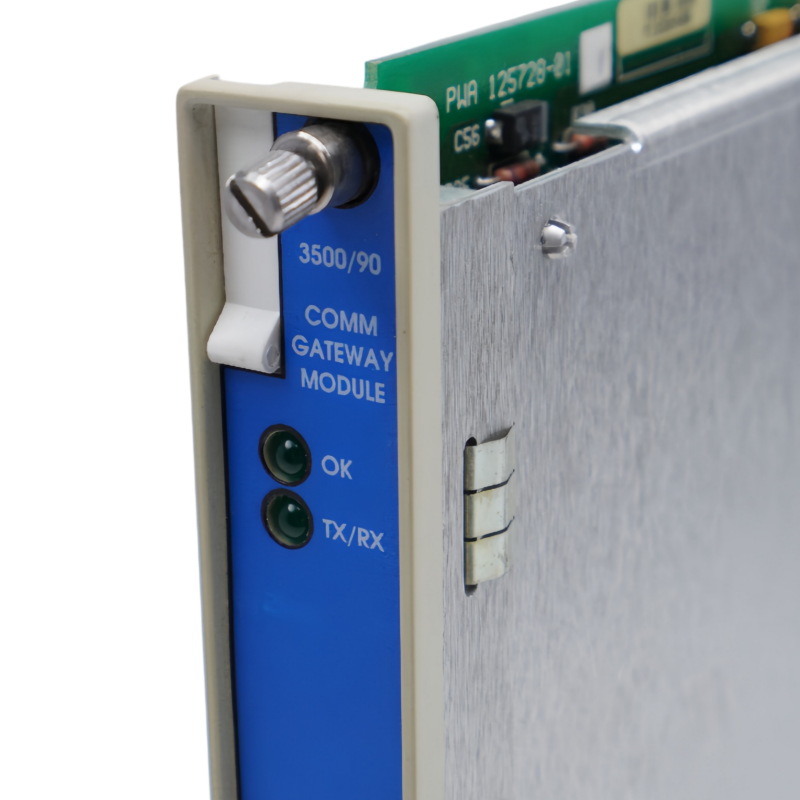
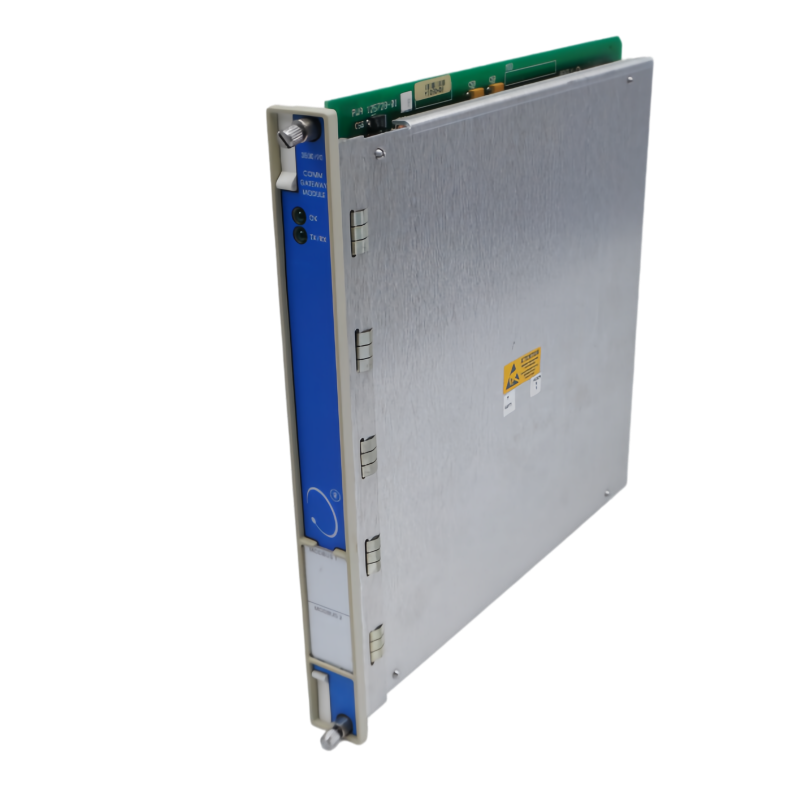 Full module view from the supplied photo set.
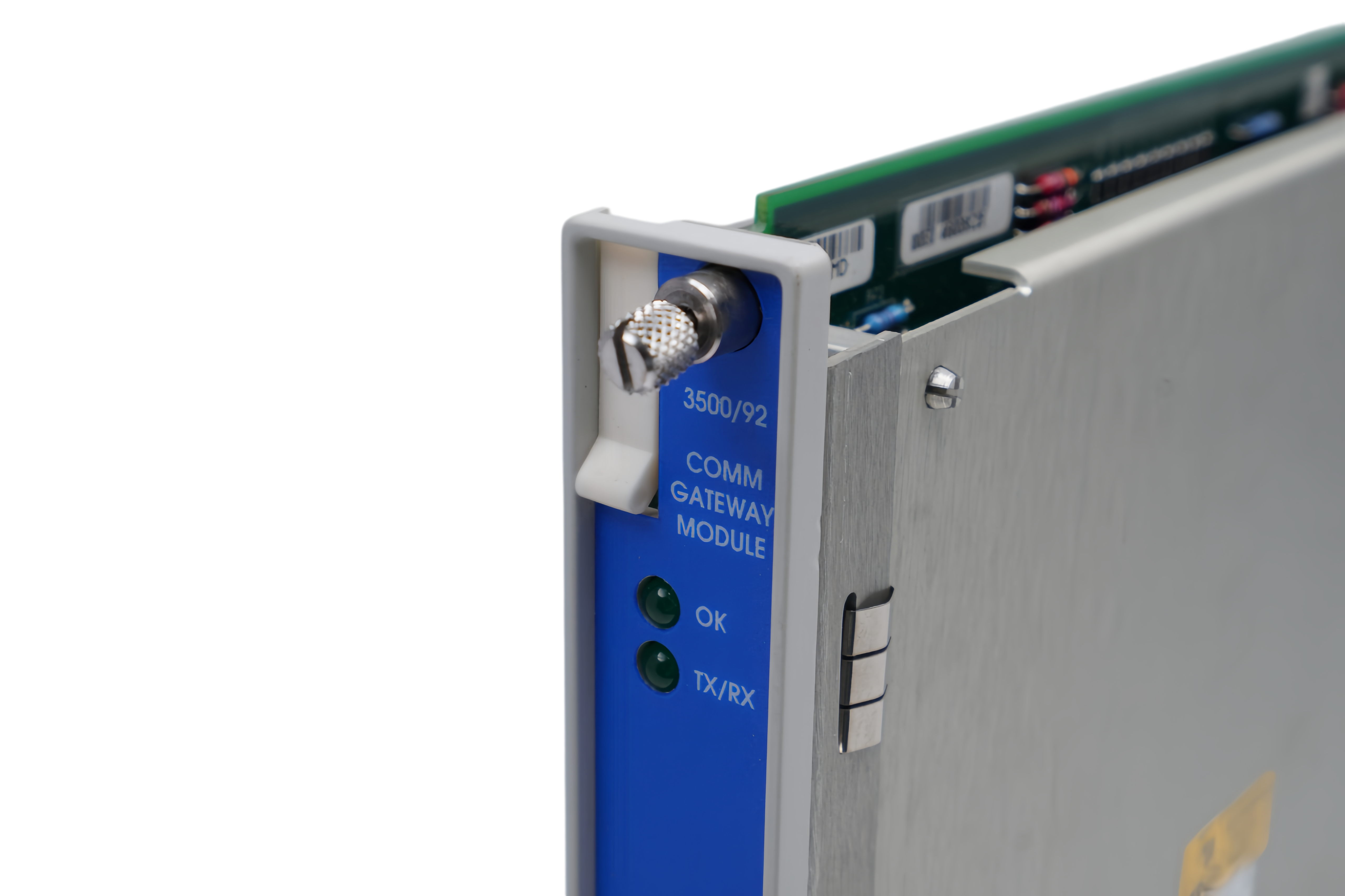
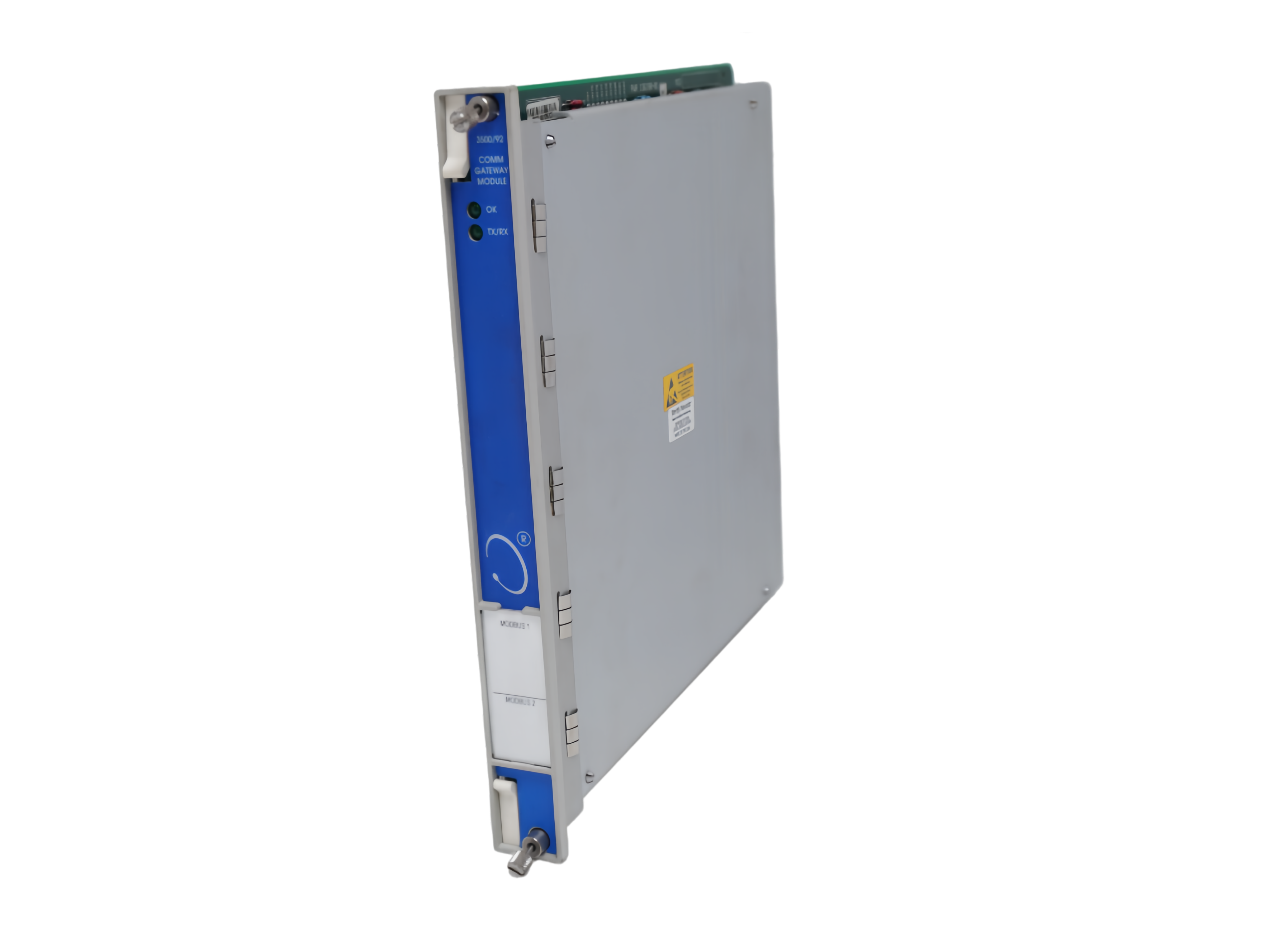 Full module view from the supplied photo set.
Product photographs supplied for this article. Confirm the exact offered part number, revision and condition from the quotation and item records.
Match the connection to the rear card.
The 3500/92 datasheet lists these four I/O spares. Use the photos to distinguish interfaces, then verify the required front and rear pairing against the actual rack and applicable manual.
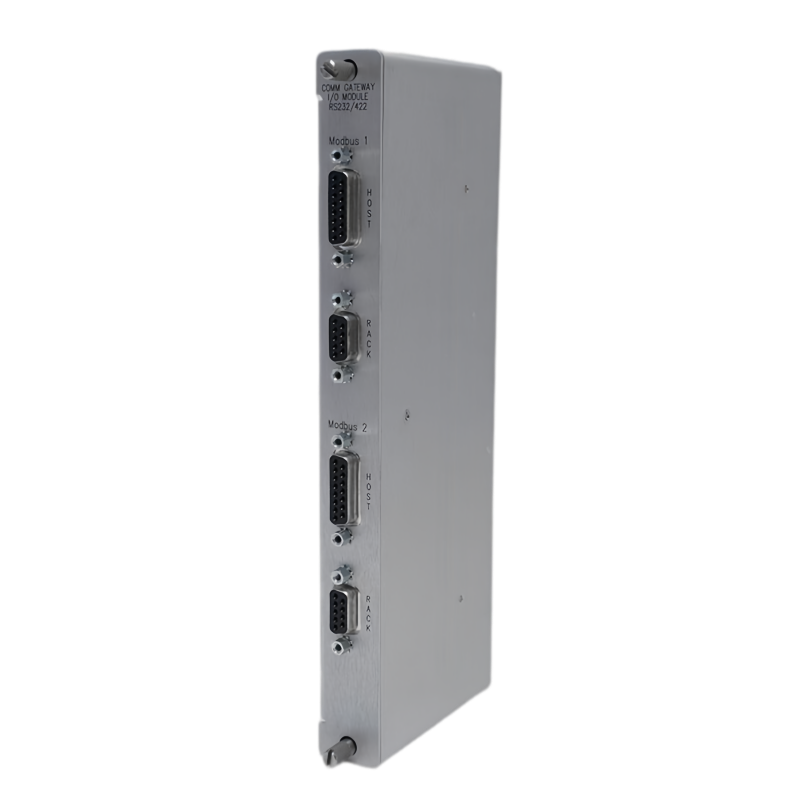
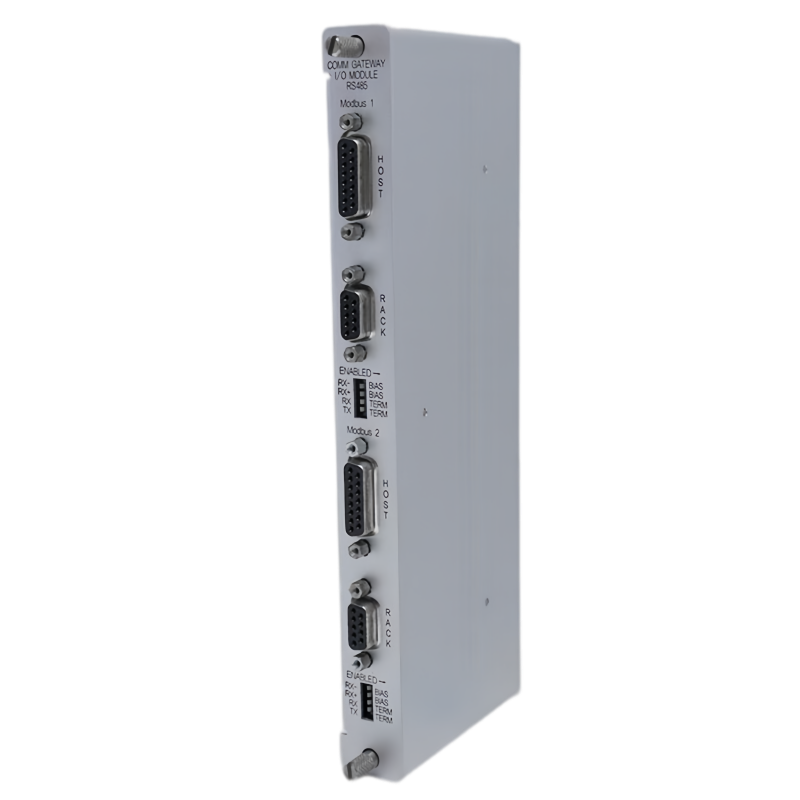
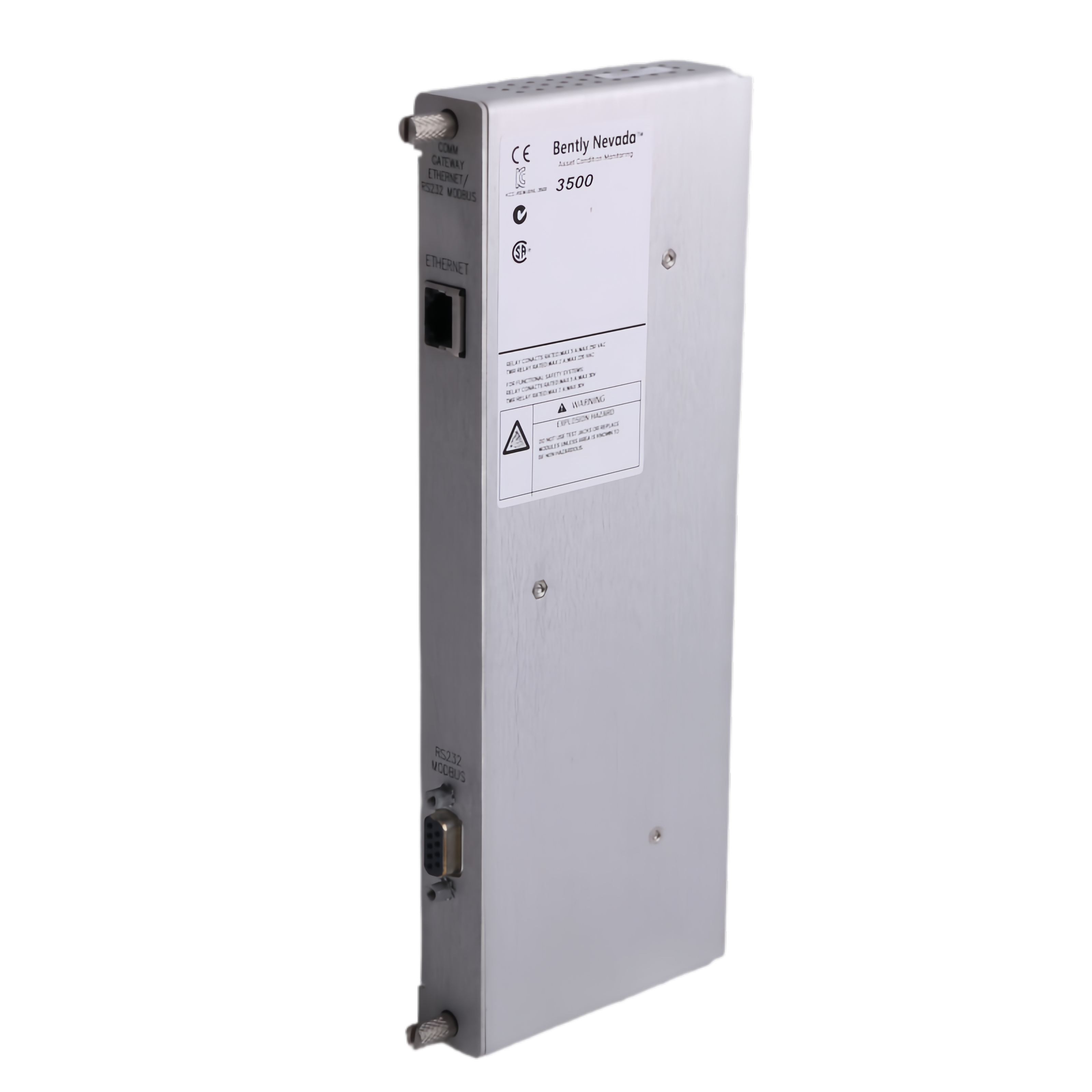
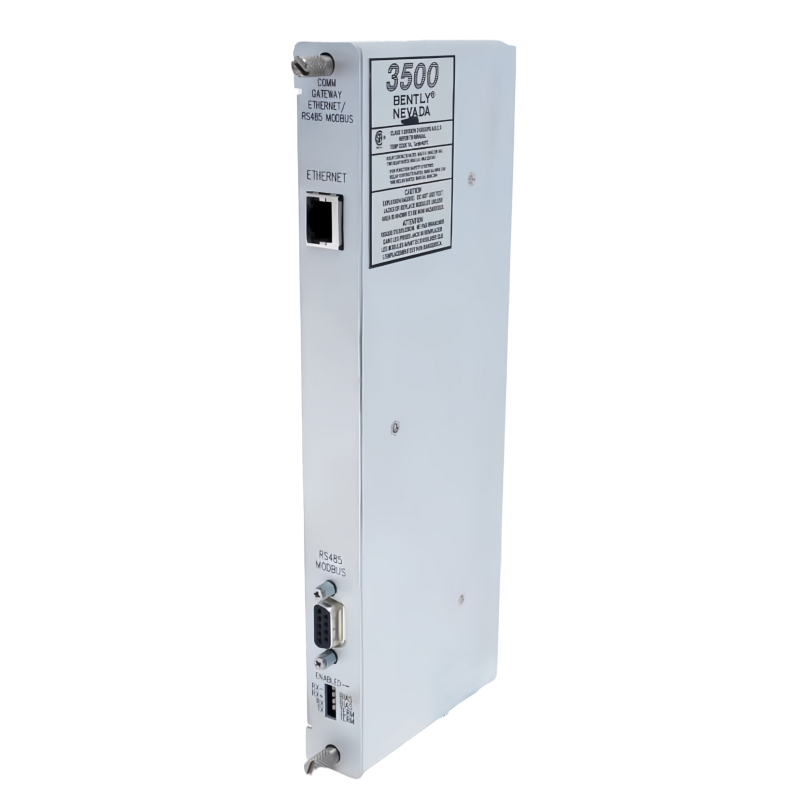
Photos identify product families and visible connectors. They do not establish the installed revision, firmware status or suitability for a specific 3500/90 or 3500/92 rack.
Rev. N also notes that older Communication Gateway modules require a firmware upgrade to communicate with a new I/O module, and directs readers to the 3500/92 manual for details. Record installed firmware and assign a technical reviewer to determine whether that condition applies. Do not infer a firmware threshold from the rack's age or a product photograph. OEM datasheet, p. 5 ↗
Amikon's 3500/92 136180-01 listing ↗ is a product reference. The 3500/92-01-01-00 listing ↗ is another ordering reference, not proof of a match to the installation. Ask the quotation to separate supplied components, verified reused items and items awaiting technical selection.
Name the deliverables and the decision owners.
Supplier quotation
Exact offered items and condition, quantities, accessories, documents, traceability, warranty, delivery commitment and exclusions.
Integrator scope
Who prepares the target map, reviews host changes, maintains configuration records and documents the agreed test evidence.
Site acceptance
Who approves the test plan, reviews deviations and accepts each migrated host function.
If configuration or testing services are requested, obtain their written scope. Supplier confirmation of a part number does not replace site engineering acceptance. Reconcile the quotation with the tag mapping record and change plan before release.
Include configuration backups, approved revisions, test records, unresolved deviations and the site's recovery arrangements in the handover requirements. Receipt of a supplied module and acceptance of the migrated function are separate records.
What to send in an Amikon enquiry
Provide legible front and rear labels, the intended connection, available firmware details, quantities, required date and documentation scope. State which engineering questions remain unresolved. Share configuration extracts only through the site's approved disclosure process.
Prepare enquiry →Questions before purchase release.
Can every old DCS address be left unchanged?
Do not approve that assumption without a tag-by-tag review. Record whether each address is retained or changed, the configuration basis and the evidence needed for acceptance. An unchanged tag name is not sufficient evidence.
What if the old register list is missing?
Start with the running host project and available rack records under the site's access procedures. Have the responsible engineer reconcile sources and mark gaps. Do not construct a supposed legacy map from another installation.
Does a plausible operator-screen value prove success?
No. Establish the measurement identity, units, scaling and relevant host behavior. Tie evidence to the specific tag and approved configuration revision.
Who decides whether a firmware upgrade is needed?
The technical reviewer compares the identified gateway, I/O and installed revision with the applicable 3500/92 manual, then records the decision and an owner for any work.
What should be checked when the shipment arrives?
Compare labels, revisions, quantities and included items with the accepted quotation and bill of materials before installation. Keep receipt inspection separate from functional migration acceptance.
What belongs in an Amikon enquiry beyond the part number?
Send readable labels, intended connection, available firmware details, quantities, required date and desired documents. Identify unresolved engineering questions and use approved channels for configuration extracts.
Baker Hughes, 3500/92 Communication Gateway Datasheet, 141542 Rev. N ↗, especially pp. 1, 2, 5 and 8. The document carries a 2025 copyright notice; no exact release date is asserted here.
Example host tags and the mapping worksheet are editorial planning aids, not manufacturer register assignments or a site commissioning procedure. Actual configuration and acceptance require qualified personnel, applicable manuals and approved site procedures.