
-
Please try to be as accurate as possible with your search.
-
We can quote you on 1000s of specialist parts, even if they are not listed on our website.
-
We can't find any results for “”.
Vintage Automation Parts Supplier: Classic System Component Provider
As a systems integrator who has kept lines running through weekend failures and holiday rushes, I’ve learned this truth the hard way: vintage automation components only become “obsolete” the moment you lose a plan for them. The right supplier, paired with disciplined engineering practices, turns scarcity into uptime. This article is a practical field guide to working with classic system component providers, grounded in what actually keeps factories running. You’ll find clear definitions, sourcing strategies that survive supply shocks, quality and counterfeit controls that protect your reputation, and care and buying tips shaped by plant-floor experience. I’ll reference reputable sources when they add value, and I’ll stick to what I’ve seen work under pressure.
What “Vintage,” “Legacy,” and “Obsolete” Really Mean
Vintage and legacy usually describe equipment that remains in service long after its initial sales window because it is reliable, validated, and tightly meshed with the process. Obsolete refers to parts the original manufacturer no longer produces or fully supports; vendors call these statuses end-of-life or end-of-support. New old stock describes never-used items manufactured in the past and stored since; refurbished describes used parts restored to a defined functional condition with documented testing. You will also hear form/fit/function equivalents, which are replacements that meet the essential electrical and mechanical requirements without being the original part. The gray market is the unofficial secondary channel where traceability and condition vary widely; it is sometimes useful but demands extra diligence.
| Term | Practical meaning | What it implies on the plant floor |
|---|---|---|
| Legacy/Vintage | Older but still in service | Keep spares, backups, and skills on hand |
| Obsolete (EOL/EOS) | Production or support has ended | Sourcing shifts to specialists and surplus |
| NOS (New Old Stock) | New, from previous production runs | Often best plug-in choice if traceable |
| Refurbished | Used, restored with testing | Viable when quality and warranty are real |
| FFF Equivalent | Meets form/fit/function | Requalification and documentation may be needed |
| Gray Market | Unofficial resale channels | Highest diligence and testing required |
These distinctions matter because they drive how you qualify, procure, document, and maintain risk. In regulated lines or validated processes, swapping a board is never “just a swap.” Treat terminology as a trigger for engineering and quality actions.
Why Vintage Components Still Matter
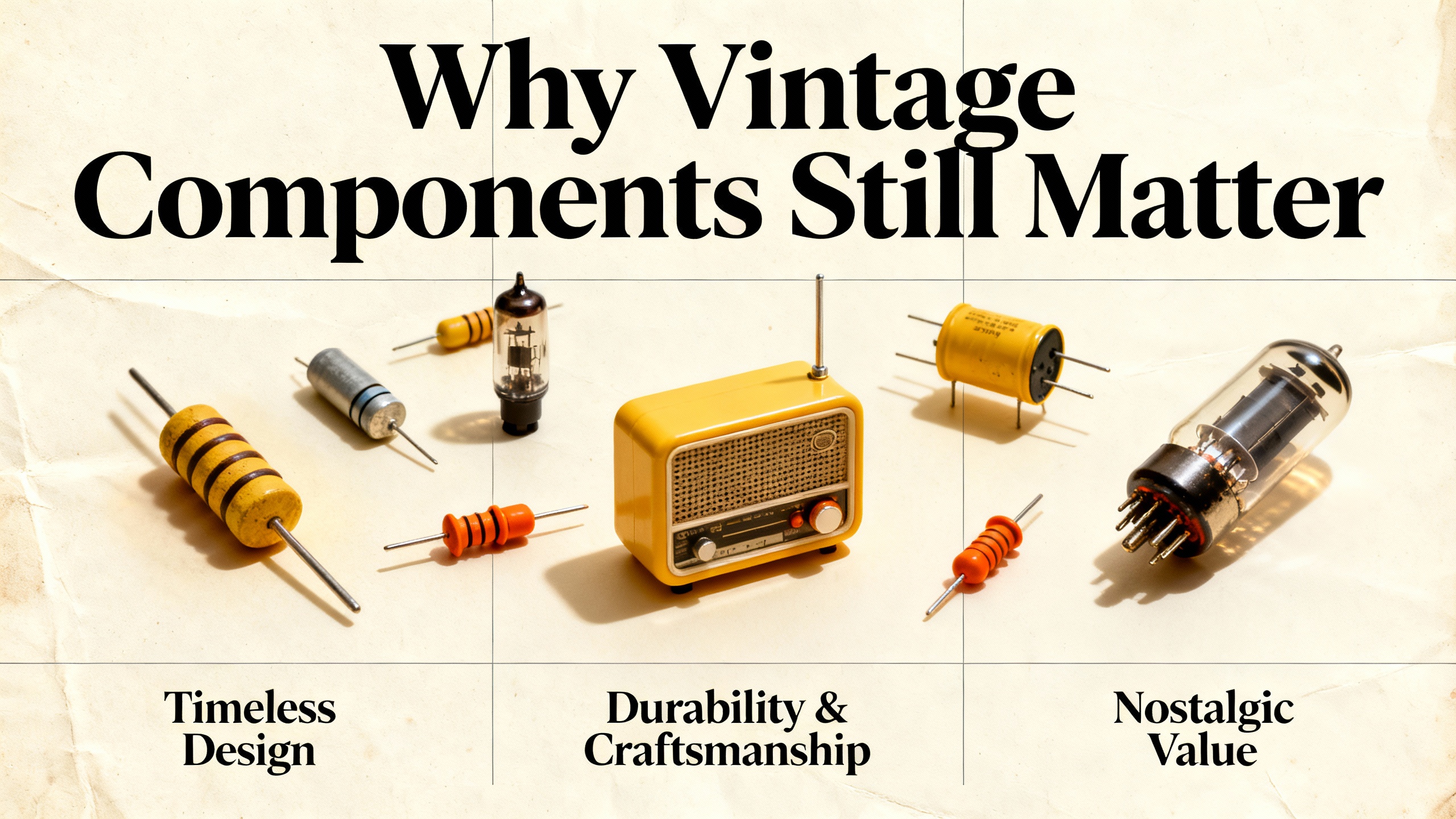
Factories keep proven gear for good reasons. Replacement capital is scarce, downtime windows are tight, and requalification can take longer than a quarter. Many PLC platforms run through lifecycles of about 10 to 15 years before support wanes, yet the machines they control can operate for decades. Meanwhile, supply risk has not softened. Automotive alone lost an estimated $210 billion during the 2021 semiconductor crunch, a reminder that component scarcity can punch across industries, not just electronics. Analysts such as McKinsey have warned that legacy-node chip allocations may remain tight for years, which cascades into longer lead times for drives, HMIs, and control boards that depend on those devices. In short, modernizing is ideal, but sustaining legacy systems with credible parts is often the practical path to uptime.
How to Tell When a Part Has Crossed Into Obsolescence
There are quick, reliable signals that save you days of futile searching. When official lifecycle notices are published by the OEM, you have your answer. When firmware and manuals disappear from public download, or revision notes go quiet, support is fading. When your usual authorized channels and distributors cannot find stock, you are already living in a secondary market. All Industrial Automation emphasizes a simple heuristic that I’ve used for years: the moment a spare becomes unusually hard to source, act as if it is already obsolete and execute your contingency plan. That mindset buys you time and options.
Where and How to Buy Without Regret
Navigating sources is less about finding a single perfect channel and more about building a portfolio with overlapping strengths. Authorized distributors remain the best route for supported parts. For discontinued items, specialist independents fill the gap with vetted NOS and refurbished inventory, cross-references, and test capability. Online marketplaces and auctions widen selection but require deeper inspection and acceptance that listings may reflect what a seller hopes to find rather than what is on a shelf. Repair houses and remanufacturers can return failed boards to service faster than you can source rare replacements. In constrained markets, reverse engineering or limited fabrication, including 3D-printed fixtures or adapter plates, can bridge gaps when documentation exists.
| Channel | Speed | Cost predictability | Quality risk | Warranty reality |
|---|---|---|---|---|
| Authorized distributor | High for active parts | Stable | Low | Strong, OEM-backed |
| Specialist independent | High for NOS/refurb | Moderate | Moderate to low if vetted | Strong if ISO/AS compliant |
| Marketplaces/auctions | Variable | Volatile | High without diligence | Uneven; read the fine print |
| Repair/remanufacture | Fast when diagnosable | Favorable vs new | Low if tested properly | House warranty, verify scope |
| Fabrication/equivalent | Project-based | Project-based | Engineering-dependent | Requires internal sign-off |
The practical distinction is accountability. Specialists who focus on obsolete automation parts tend to publish test methods, offer defined warranties, and help navigate cross-compatibility. General sellers do not. When you must use a marketplace, a veteran trick from NJT Automation is to screen for sellers who offer local pickup. Many offshore listings cannot support it, which filters out disguised dropship operations that add time and risk.
Due Diligence That Actually Catches Problems
Counterfeits and misrepresented condition are the failure modes that hurt most, because they produce intermittent issues that masquerade as process problems. ERAI has documented sustained fraud during recent peaks in component shortages, and lab testing remains the most reliable filter. On critical parts, I ask for verifiable stock photos with date stamps, full part numbers including series and revisions, and a written test protocol. I want to see powered functional tests under load, communication checks on the actual ports I will use, thermal soak where applicable, and a summary report with serial numbers. For electronics, reputable guidance such as ERSA’s counterfeit screening emphasizes visual inspection, X-ray, and electrical testing. When the channel is independent, I favor suppliers aligned to AS6081 for counterfeit avoidance and ISO 9001 for quality management, and I prioritize parts that carry original safety markings such as UL where they apply to the installation.
| What to ask for | Why it matters | What good looks like |
|---|---|---|
| Exact catalog number and revision | Compatibility hinges on it | Full label photos and typed part ID |
| Firmware/hardware versions | Project and backplane dependencies | Firmware readout from a powered test |
| Test methodology | Separates real refurb from power-on only | Documented multi-point functional test |
| Warranty terms | Risk transfer and accountability | Written coverage window and RMA flow |
| Traceability | Counterfeit and storage integrity | Supplier chain, prior use, and condition |
| Compliance | Safety and audit expectations | UL/CE markings, AS/ISO certifications |
If answers are slow or evasive on any of these, I move on. It is faster to find another source than to debug a phantom fault caused by a flaky refurbished I/O card.
Compatibility: Making Old and New Play Nice
Compatibility is not only physical. It spans backplane and power budgets, keying, network stacks, firmware major-minor parity, project file versions, and the licensing to edit those projects. Start with the part’s complete catalog number, including suffixes for series or environmental ratings. If the label is inaccessible, read the information from the programming software. Verify whether the replacement is tied to a specific backplane or power supply revision, and check module keying and electronic fusing behavior. For networks, confirm that your replacement speaks the exact protocol variant you need, whether it is EtherNet/IP with a particular stack revision or a deterministic fieldbus version. Matching firmware may be more than a preference if your validated process requires a specific revision. Lastly, plan for software realities. Legacy programming often depends on older operating systems. Many facilities keep a dedicated legacy laptop or a virtual machine with the right drivers, plug-in cards, and serial adapters to support 20-year-old software without touching the production domain. That may feel inconvenient, but it is cheaper than requalifying a process because a file cannot be opened.

Quality, Counterfeits, and the Warranty You Can Trust
Quality starts at the bench. Power the device, exercise each input and output path, test communication ports, and watch for heat spots, noise, or drift. Run the device long enough to surface infant mortality. For motion, home and run profiles that match your application’s duty cycle. Create an acceptance template so technicians can record results consistently the day a part lands. On counterfeits, trust patterns more than anecdotes. Below-market pricing, requests for prepayment without shipment details, and incomplete certification documentation tend to travel together. Independent labs can perform X-ray and electrical characterization when the financial or safety consequences justify it. At the policy level, remember that a warranty is only as strong as the supplier’s testing discipline and their ability to ship a replacement overnight. I care less about the marketing headline and more about documented RMA performance.

How Much to Stock, and When to Upgrade
Inventory is where engineering meets finance. Stockpiling every spare ties up capital and shelf space; just-in-time for everything invites downtime. The better approach is risk-based. Classify parts by consequence of failure and time to replace. High-consequence parts with long lead times deserve a buffer. Components with drop-in equivalents can ride lean. Apply data where it helps. Industry briefs have shown that predictive analytics and multi-echelon planning materially cut stockouts while trimming lead time. On the other side of the decision, make a plan to upgrade before your talent pool and support channels evaporate. As specialists retire, the cost of finding expertise rises. When safety standards move or regulatory obligations change, an upgrade may be the safer, cheaper move over the full lifecycle. Advanced Technology Services has noted that quality repairs can save roughly 40 to 60 percent compared to new purchases, a useful benchmark when you weigh repair, refurbish, and replace paths. The answer is not static; revisit it at least annually.
A Sourcing Playbook That Works Under Pressure
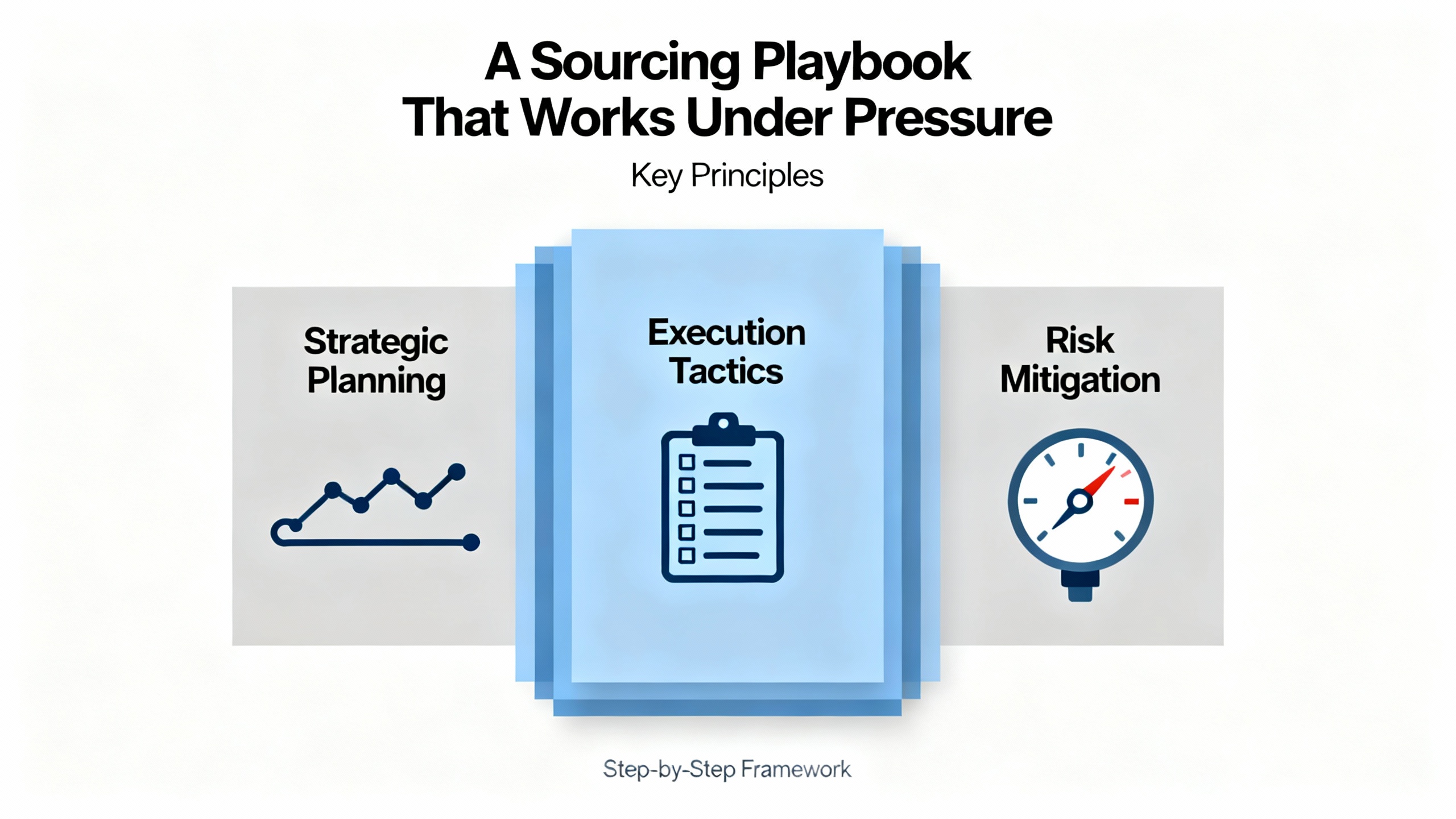
When a vintage component fails, speed and sequence matter. Begin by documenting exactly what is in front of you. Capture the full part number, series, and firmware, plus any configuration peculiarities. Pull the last known good parameters or project files and back them up. With that in hand, query your pre-qualified sources in parallel. Ask for test protocols, warranty terms, and real photos of the item you will actually receive. Confirm ship date in writing. If availability is thin, consider certified refurbished units, which can be as reliable as new when properly tested, as emphasized by multiple specialist suppliers. If nothing is available quickly, request a sourcing service search while you pursue a repair quote and evaluate a functionally equivalent model. Always stage a bench test on arrival and keep a short record of results. Finally, once the line is stable, update your spares plan to reflect the new reality. That extra hour saves the next night shift.
When Refurbish, Repair, or Replace Is the Smarter Move
Repair is the quickest, least disruptive choice when failures are localized, documentation exists, and test coverage is robust. Refurbish is best when overall wear requires cleaning, replacement of common-wear components, and a full functional retest to approach like-new reliability. Replace is the right call when safety is implicated, when compatibility gaps cannot be bridged, or when the total cost of repair plus future risk eclipses the price of a newer, supportable part. Practical decision frameworks from vendors such as PLC-focused specialists recommend weighing condition, compliance, parts availability, downtime risk, and environmental impact. There is no heroism in repairing a part that will trap your team into a one-off support burden next year. Pick the path that preserves uptime, safety, and maintainability together.
Care and Storage: Extending the Life of Classic Components
Storage and handling practices separate reliable shelves from expensive boxes of unknowns. Keep electronics in an ESD-safe, dry environment with controlled exposure to dust and oils. Use anti-static bags and labels that record test dates, firmware versions, and whether a component is field-ready or needs configuration. For power electronics and drives, support the weight evenly, avoid impacts, and leave moisture indicators visible. Exercise shelf spares periodically in a controlled bench setting to catch early failures before an emergency install. And resist the temptation to strip labels or repackage without documentation. The day you are sleep-deprived before a restart is the day you will be grateful for the extra five minutes of paperwork you did months earlier.

Pricing, Value, and the Total Cost Picture
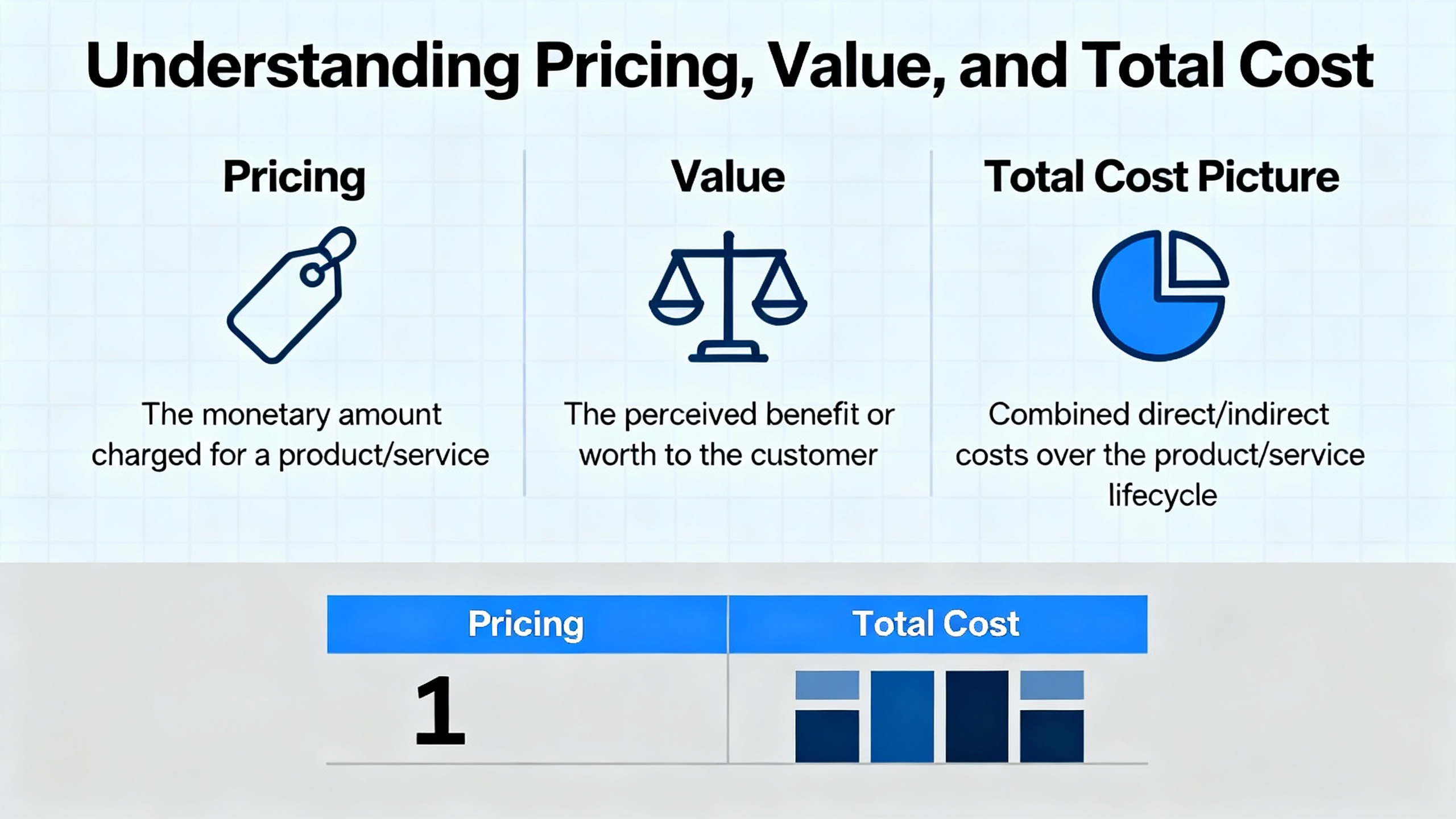
Vintage component pricing looks strange if you treat it like commodity purchasing. Rare parts can trade above historical list prices because the alternative is a line stop. Conversely, common boards from decommissioned systems can be acquired deeply discounted. The right lens is total cost. Every dollar spent on a verified, warrantied part that ships same-day is cheap compared to the idle-time your operation avoids. Some buyers choose to purchase multiples of non-warranty marketplace items when constrained, acknowledging a failure will have no recourse; that is a strategy of last resort best reserved for truly time-critical stop-gaps. Over the long run, supplier relationships that include testing transparency, realistic warranties, and after-sales support pay for themselves in avoided headaches.
Supply-Chain Tactics That Survive Disruptions
The last few years reinforced how fragile single-threaded supply is. Several credible sources recommend mixing authorized distributors with certified independent brokers and targeted specialist suppliers, and keeping five or more verified sources for critical parts. Capacity reservations and allocation agreements help for consumables you will inevitably need. Integrating procurement with real-time inventory views reduces order errors and accelerates quoting. In one set of reported outcomes, multi-channel strategies improved crisis response speed dramatically and shaved material cost, while ERP-integrated purchasing reduced manual errors in day-to-day operations. The theme is simple: diversify and instrument your supply chain before you need it.

A Brief Real-World Example
A food producer faced a failure in a discontinued valve manifold central to its packaging line. A specialist vintage-parts supplier verified stock, shared test documentation, and shipped the same day. Within hours the line was back, avoiding what would have become a lengthy retrofit. Examples like this are not unicorns; they are the result of keeping a shortlist of credible partners and clear acceptance criteria ready before the fault happens.
Buyer’s Checklist, Rephrased as Habits
Avoiding bullet points is easy when you turn a checklist into habits. Start by identifying lifecycle status early and documenting specifications completely. Build relationships with suppliers who publish test methods and stand behind meaningful warranties, and do not hesitate to ask for lab reports on high-risk items. Keep your compatibility map current across firmware, backplane, and licensing. Exercise new arrivals on the bench, record acceptance data, and store spares in ESD-safe, traceable packaging. Close the loop by reviewing spares policies and upgrade roadmaps each season so you never get cornered by a preventable surprise.
Frequently Asked Questions
Are refurbished automation parts reliable enough for production?
Refurbished parts can be entirely suitable when they come from a supplier that performs documented, multi-point functional testing and provides a real warranty. Field experience shows that test rigor matters more than the marketing label. Several specialist suppliers emphasize that properly tested refurbished units perform comparably to new in many cases; insist on the test report, not just the promise.
What does new old stock actually mean, and is it always better?
New old stock means the item was manufactured previously and has never been used. It is often the cleanest drop-in option because dimensions, ratings, and firmware are a known match. Still, NOS requires traceability. Ask how and where it was stored, request photos of seals and labels, and treat electrostatic packaging as a sign of care rather than a guarantee.
How many spares should I keep for a legacy PLC or drive?
Use consequence and lead time rather than a blanket rule. If a failure stops the line and replacements are scarce, keep at least one known-good spare on the shelf and consider a buffer for modules that fail more often. Analytics can help, but your maintenance history will be the best predictor. Review stock quarterly and adjust based on actual incidents and supplier visibility.
How do I avoid counterfeits without turning every purchase into a forensic project?
Focus diligence where consequences are highest. Favor suppliers aligned to standards such as AS6081, ask for test protocols, and require traceable documentation that includes serials and photos. For high-risk items, request third-party lab testing that includes electrical characterization and X-ray. ERAI has reported persistent fraud during shortage peaks; habits built now will pay off later.
Can I mix firmware revisions if the hardware says it fits?
Physical fit does not guarantee system stability. Many backplanes, motion controllers, and networked devices require major-minor firmware alignment with project files. Always read firmware from the device, check the vendor’s compatibility matrices, and plan a controlled bench test before installation. Treat mismatches as engineering changes and document them accordingly.
When does it make more sense to upgrade than to keep sourcing vintage parts?
Upgrade when safety or compliance is at stake, when the expert skills needed to maintain a platform are evaporating, or when repair and sourcing costs over the next few years will exceed a targeted modernization with predictable support. It is common to phase upgrades, starting with the highest-risk assets, to spread cost and limit disruptions.
Sources and Perspective You Can Trust
When component supply was tight, independent watchdogs such as ERAI documented fraud patterns that justify today’s diligence. Semiconductor analyses from firms like McKinsey have shown why legacy-node components remain constrained longer than many expect. Practical plant-floor sourcing advice appears in trade publications such as Automation World and The Manufacturer, and major OEMs maintain modernization and lifecycle notices that signal when to change course. Several specialist suppliers, including those focused on obsolete Allen-Bradley and multi-brand NOS/refurbished stock, publish testing and warranty practices worth emulating. I lean on these sources because they match what we see in the field.
Takeaway
Vintage automation components are not a liability when you approach them with discipline. Define your terms and document your specs. Diversify sources to include a few specialists you trust, and ask for test methods and traceability rather than glossy promises. Treat compatibility as an engineering task, not a gamble, and run bench acceptance before you bet a shift on any replacement. Use risk-based stocking so you never let a low-cost spare cause a high-cost outage, and revisit upgrade decisions on your timetable, not the failure’s. That is how a classic system component provider becomes less a vendor and more a partner in your uptime.
References
- https://www.plctalk.net/forums/threads/experiences-buying-second-hand-automation-equipment.137368/
- https://aiautomation.global/insights/how-to-identify-if-your-automation-part-is-obsolete-and-what-to-do-next.html
- https://www.amikong.com/n/how-to-find-old-plc-parts
- https://blog.appliedmfg.com/blog/obsolete-components-best-practices
- https://cfabglobal.com/vintage-farm-machinery-parts/
- https://electroniccomponent.com/how-to-source-obsolete-or-hard-to-find-electronic-parts-effectively/
- https://www.ersaelectronics.com/blog/obsolete-electronic-parts-sourcing-guide?srsltid=AfmBOoogere8aOPlP3fymqjNK37-w9W4kjWcEeMMuWsd4zgELCGD0URl
- https://plcautomationgroup.com/blog/give-your-machines-a-new-life-with-repair-refurbish-or-replace-of-obsolete-parts
- https://securecomponents.com/best-practices-to-find-obsolete-components/
- https://summitelectronics.com/how-to-source-hard-to-find-electronic-parts-a-guide-for-engineers/
Keep your system in play!


Related articles Browse All
-
 amikong NewsSchneider Electric HMIGTO5310: A Powerful Touchscreen Panel for Industrial Automation2025-08-11 16:24:25Overview of the Schneider Electric HMIGTO5310 The Schneider Electric HMIGTO5310 is a high-performance Magelis GTO touchscreen panel designed for industrial automation and infrastructure applications. With a 10.4" TFT LCD display and 640 x 480 VGA resolution, this HMI delivers crisp, clear visu...
 -
 BlogImplementing Vision Systems for Industrial Robots: Enhancing Precision and Automation2025-08-12 11:26:54Industrial robots gain powerful new abilities through vision systems. These systems give robots the sense of sight, so they can understand and react to what is around them. So, robots can perform complex tasks with greater accuracy and flexibility. Automation in manufacturing reaches a new level of ...
 -
 BlogOptimizing PM Schedules Data-Driven Approaches to Preventative Maintenance2025-08-21 18:08:33Moving away from fixed maintenance schedules is a significant operational shift. Companies now use data to guide their maintenance efforts. This change leads to greater efficiency and equipment reliability. The goal is to perform the right task at the right time, based on real information, not just ...


- Q&A
- Policies How to order Part status information Shipping Method Return Policy Warranty Policy Payment Terms Email Marketing Policy VAT and Import Information
- Asset Recovery
- We Buy Your Equipment. Industry Cases Amikong News Technical Resources Why choose us
- Registered Address
-
32D Guomao Building, No.388, Hubin south Road, Siming district, Xiamen,Fujian, China

Leave Your Comment