
AMIKONG EXCESS CONTROL SYSTEM PARTS
Specializing In:Automation Spares(DCS, PLC, CNC) Servo Drives HMI Power supplies Controllers
-
Please try to be as accurate as possible with your search.
-
We can quote you on 1000s of specialist parts, even if they are not listed on our website.
-
We can't find any results for “”.
SEE PRODUCTS IN SEARCH PAGE ()
Infrastructure
-
01. Optimizing Infrastructure Operations: Data-Driven Industrial Automation Control
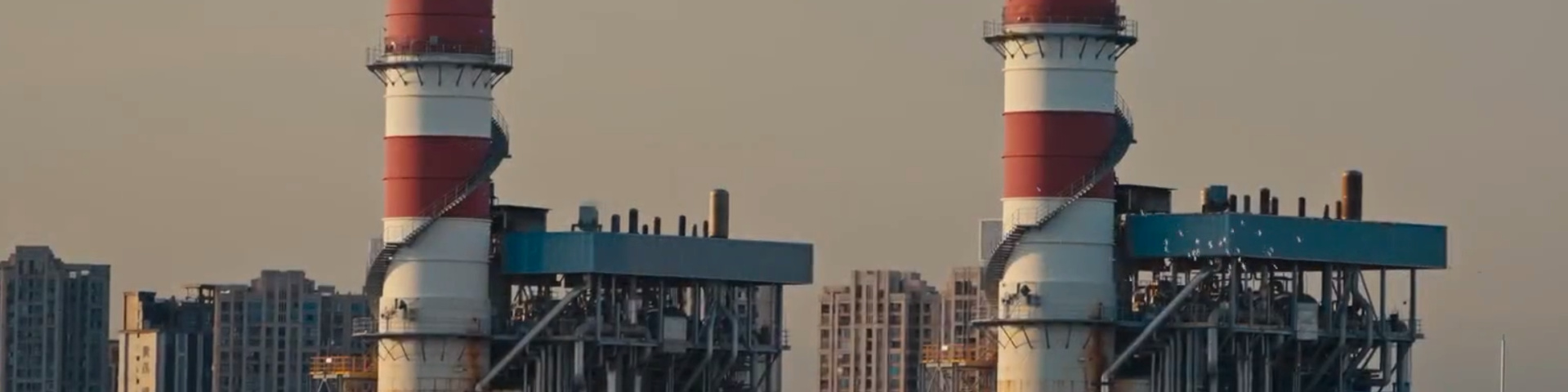
Moving away from traditional infrastructure management models toward data-driven intelligent operations represents a significant transformation in modern urban development. Industrial automation control products, represented by programmable logic controllers (PLCs), distributed control systems (DCS), and remote terminal units (RTUs), have become core enablers across various aspects of energy, transportation, and municipal infrastructure. This shift not only enhances operational efficiency but also lays a solid foundation for the digital transformation of infrastructure systems.
What is Industrial Automation Control and Why Optimize It?
Industrial automation control is a systematic approach that drives intelligent upgrades in infrastructure operation models through deep integration of intelligent control systems and emerging technologies. Its primary objectives are to achieve precise control, efficient operations, and intelligent decision-making while ensuring safety and reliability. Optimizing this process is crucial for building a reliable operational foundation for smart cities.
Traditional infrastructure operations rely on manual monitoring and decentralized control. While capable of maintaining basic operations, they struggle to meet modern cities' high standards for efficiency, safety, and reliability. Control systems may suffer from coordination inefficiencies due to information silos or lack the intelligent analysis needed for predictive maintenance. Optimization shifts infrastructure management from reactive responses to proactive prevention, utilizing automation products and data analysis to enhance overall operational effectiveness.
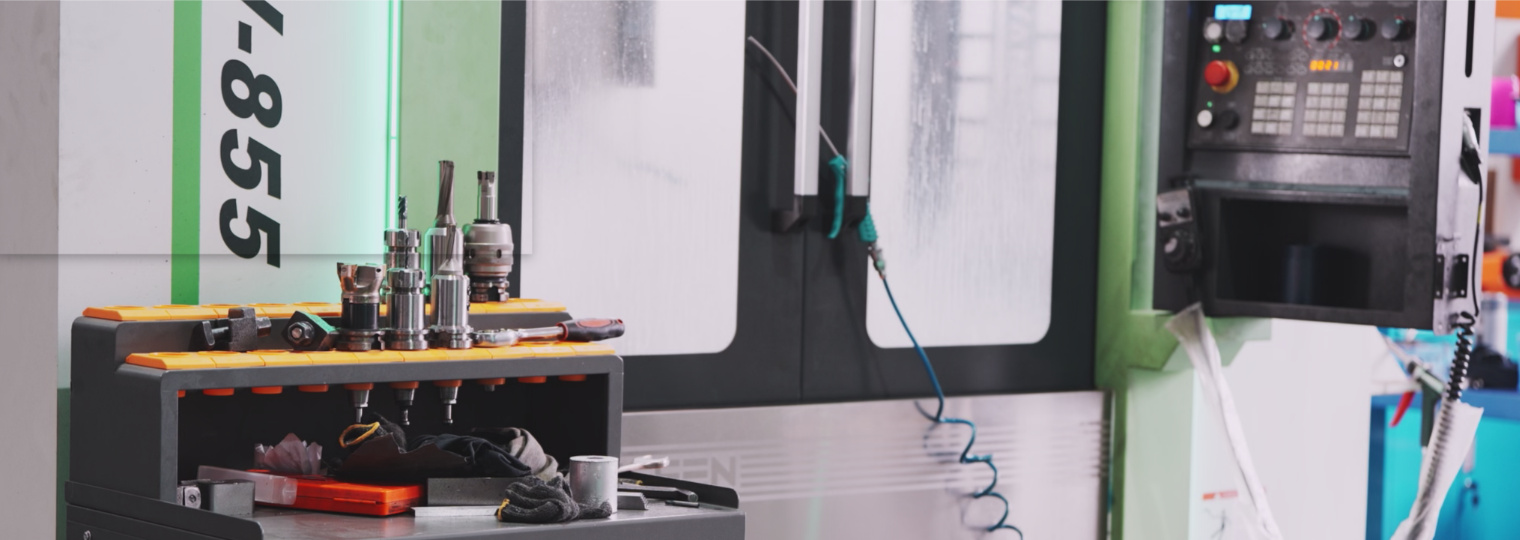
Traditional methods dependent on independent systems and manual intervention show clear deficiencies in addressing modern challenges such as complex system integration, real-time coordinated control, and network security protection. These limitations lead to low operational efficiency, difficulties in timely identification of security risks, and inadequate resource utilization, creating an urgent need for smarter control strategies. -
02. Optimizing Infrastructure Operations Through Industrial Control Products

The core issues in traditional infrastructure operations lie in system fragmentation and data silos. Operational decisions are often based on localized information or delayed data, leading to two main challenges: first, "control latency," where response delays occur due to communication lags; second, "inadequate protection," where failure to establish multi-layered defense architectures exposes systems to network security threats.
Introducing Data-Driven Intelligent Control: The Future of Infrastructure Operations
Data-driven intelligent control provides a modern pathway to address traditional infrastructure challenges. It enables more precise and efficient operational decisions by deploying edge computing, digital twin technologies, and industrial cloud platforms.
This advanced approach transforms infrastructure operations from fragmented, human-led activities into integrated, data-driven processes. The system relies on several core technologies to achieve this: industrial switches and protocol gateways establish reliable data transmission channels; edge controllers enable millisecond-level equipment status response through localized data processing; industrial firewalls and intrusion detection systems build multi-layered defense architectures.
Key Data Dimensions for Infrastructure PM
Smart Pumping Stations: motor bearing temp, suction/discharge ΔP, VFD current harmonics Gas Networks: RTU valve torque, pressure-decay rate, cathodic-protection potential Urban Rail: tunnel-fan vibration, UPS internal resistance, platform-screen motor current Utility Tunnels: explosion-proof PLC enclosure temp, combustible-gas ppm, pump start-stop cycles Intelligent Ports: quay-crane hoist load spectrum, trolley-motor temp, spreader twist-lock position feedback -
03. Specific Applications of Industrial Automation Control
Core Supporting Role In smart water management, PLCs regulate pump speeds in real-time to achieve demand-based water supply, significantly reducing energy consumption. In smart power grids, DCS coordinates the entire process from power generation to transmission and distribution, ensuring grid stability. RTUs are widely deployed in oil and gas pipeline monitoring, enabling unattended operation across thousands of kilometers of pipelines. These fundamental automation products provide solid support for the digital transformation of infrastructure systems. Technical Implementation Paths for Intelligent Maintenance and Safety Assurance In rail transit systems, integrated monitoring systems achieve coordinated control of critical systems such as tunnel ventilation and platform fire protection through the integration of environmental monitoring, equipment control, and emergency command functions. In urban utility tunnels, explosion-proof PLCs and intrinsically safe sensors maintain stable operation in hazardous environments, ensuring the safety and reliability of vital public infrastructure. Industrial firewalls and intrusion detection systems effectively protect critical infrastructure from cyber threats.
-
Optimizing Infrastructure Operations: Data-Driven Industrial Automation Control
-
Optimizing Infrastructure Operations Through Industrial Control Products
-
Specific Applications of Industrial Automation Control

Industries
Hot recommendation


- Q&A
- Policies How to order Part status information Shipping Method Return Policy Warranty Policy Payment Terms Email Marketing Policy VAT and Import Information
- Asset Recovery
- We Buy Your Equipment. Industry Success stories Amikong News Technical Resources Why choose us FAQs
- Registered Address
-
32D Guomao Building, No.388, Hubin south Road, Siming district, Xiamen,Fujian, China