
-
Manufacturers
- ABB Advant OCS and Advant-800xA
- ABB Bailey
- ABB Drives
- ABB H&B Contronic
- ABB H&B Freelance 2000
- ABB Master
- ABB MOD 300, MOD 30ML & MODCELL
- ABB Procontic
- ABB Procontrol
- ABB Synpol D
- Allen-Bradley SLC 500
- Allen-Bradley PLC-5
- Allen-Bradley ControlLogix
- Allen-Bradley CompactLogix
- Allen-Bradley MicroLogix
- Allen-Bradley PanelView
- Allen-Bradley Kinetix Servo Drive
- Allen-Bradley PowerFlex
- Allen-Bradley Smart Speed Controllers
- 3300 System
- 3500 System
- 3300 XL 8mm Proximity Transducer
- 3300 XL NSV Proximity Transducer
- 990 and 991 Transmitter
- 31000 and 32000 Proximity Probe Housing Assemblie
- 21000, 24701, and 164818 ProbeHousing Assemblies
- 330500 and 330525 Piezo-Velocity Sensor
- 7200 Proximity Transducer Systems
- 177230 Seismic Transmitter
- TK-3 Proximity System
- GE 90-70 Series PLC
- GE PACSystems RX7i
- GE PACSystems RX3i
- GE QuickPanel
- GE VersaMax
- GE Genius I/O
- GE Mark VIe
- GE Series One
- GE Multilin
- 800 Series I/O
- Modicon 984
- Modicon Premium
- Modicon Micro
- Modicon Quantum
- Telemecanique TSX Compact
- Altivar Process
- Categories
- Service
- knowledge hub
- Contact us
-
Please try to be as accurate as possible with your search.
-
We can quote you on 1000s of specialist parts, even if they are not listed on our website.
-
We can't find any results for “”.
-
-
Get Parts Quote
Cement
-
01. Data-Triggered Maintenance: Boosting Kiln Uptime and Energy Efficiency in Cement Plants
Moving away from fixed maintenance schedules is a significant operational shift for cement producers. Plants now use real-time data to guide every maintenance action, unlocking higher kiln availability, lower energy waste, and more stable product quality. The goal is to perform the right task on the right asset at the right moment—guided by live information, not the calendar alone.
Modern Cement Production: A Strategic Imperative for the Digital Age
Preventative maintenance is a proactive strategy that schedules regular inspections, lubrication, and component replacements before failures occur. In a cement plant this covers everything from raw-mill rollers and kiln tires to cooler fans and finish-mill separators. Optimizing PM is critical because an unplanned stop on a 6,000 tpd line can erase more than 1 % of annual output in a single day.
Traditional PM follows rigid intervals—say, a kiln-bearing vibration check every 30 days. This is better than “run-to-failure,” but it ignores the actual operating context: a bearing running under light loads and low temperatures may be over-greased, while another subject to heavy thrust and dusty ambient conditions may fail two weeks before its next check. Optimization shifts the trigger from time-based to condition-based, cutting unplanned downtime and avoiding the hidden costs of over-maintenance (spare-part consumption, human error during re-assembly, lost thermal profile after an unnecessary stop).
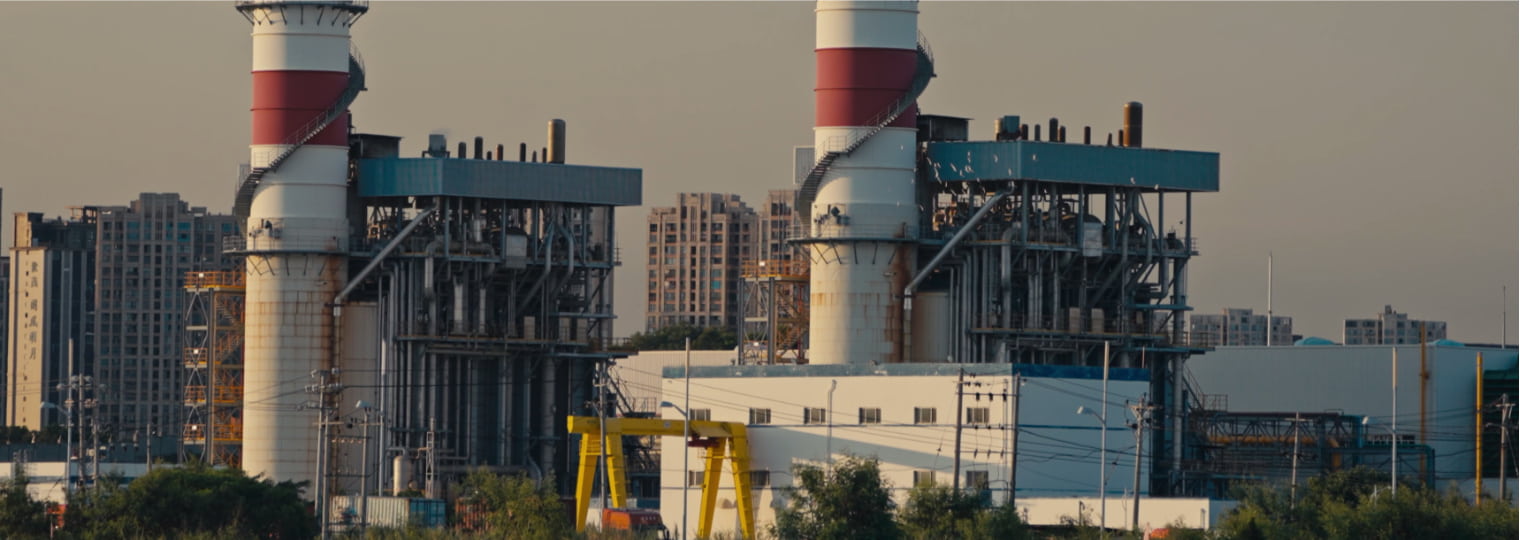
Conventional cement production relies on experience and established practices, but this approach has serious drawbacks in today's rapidly changing environment. These limitations create inefficiencies in energy consumption, product quality, and workforce management, prompting the need for smarter operational strategies. -
02. Optimizing Operations Through Integrated Solutions

The core problem with traditional cement production lies in its reliance on fragmented systems and aging expertise. Operational decisions are often based on historical practices rather than real-time performance data. This leads to two major challenges: first, "over-processing" occurs when resources are wasted on unnecessary operations; second, "under-optimization" happens when improvement opportunities are missed due to a lack of visibility into production data.
Introducing Digital Transformation: The Future of Cement Manufacturing
Digital transformation provides a modern solution to traditional manufacturing challenges. It uses integrated technologies to collect and analyze operational data, enabling smarter and more effective production decisions.
This advanced approach transforms cement production from a rigid, sequential process into a dynamic, responsive operation. The system operates through key technologies including Manufacturing Execution Systems (MES), Internet of Things (IoT) platforms, and artificial intelligence. These systems monitor critical parameters such as energy consumption, product quality, and equipment performance. Advanced analytics identify patterns and opportunities for improvement, enabling precise optimization exactly when and where it's needed.
Key Elements for Smarter Cement Operations
A successful digital transformation program depends on integrating the right technologies. Different systems provide unique perspectives on operations, and combining them creates a comprehensive picture for accurate decision-making. -
03. Practical Applications in Cement Manufacturing
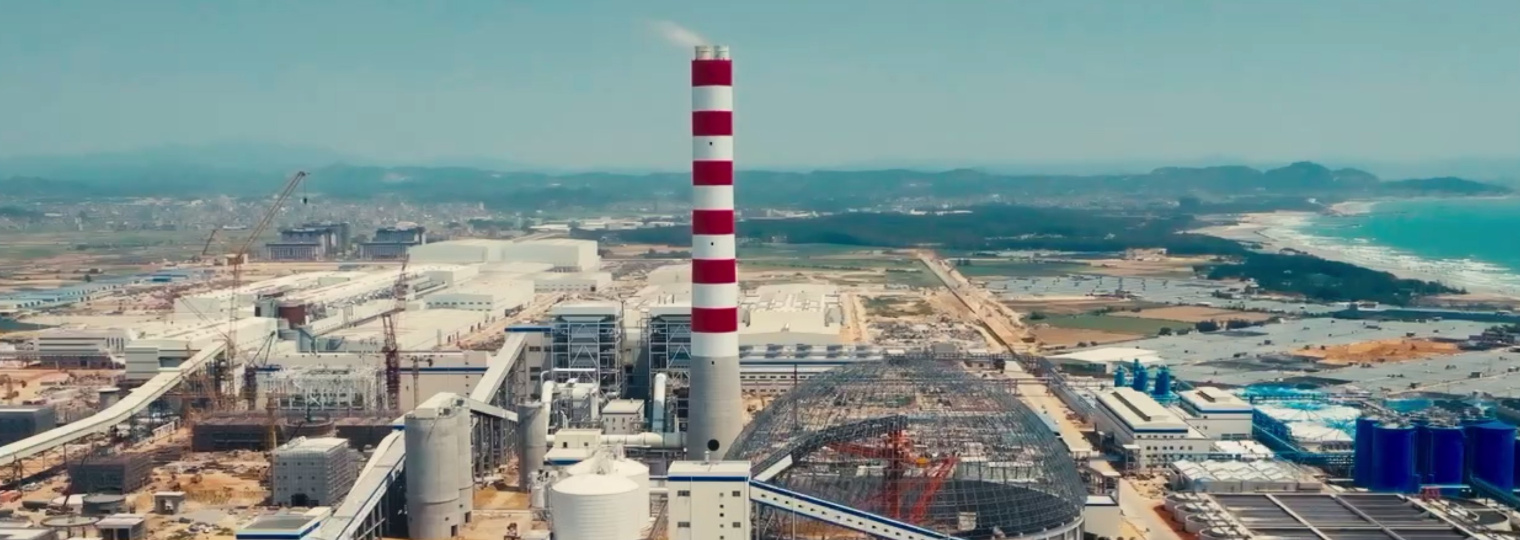
Enabling Smarter Decisions Through the Connected Cement Plant Global cement demand is projected to grow by up to 23% over the next 30 years. In this context, knowledge-driven operations, connected workers, and operational efficiency are key for enterprises to meet market demand on time and to specification. Adopting modern process solutions benefits cement plants across all aspects. For example, the PlantPAx® Distributed Control System (DCS) is a secure, scalable, plant-wide automated process solution that helps enhance productivity, reduce costs, and decrease energy consumption.
-
Data-Triggered Maintenance: Boosting Kiln Uptime and Energy Efficiency in Cement Plants
-
Optimizing Operations Through Integrated Solutions
-
Practical Applications in Cement Manufacturing

Hot recommendation

Need an automation or control part quickly?

- Q&A
- Policies How to order Part status information Shipping Method Return Policy Warranty Policy Payment Terms Email Marketing Policy VAT and Import Information
- Asset Recovery
- We Buy Your Equipment. Industry Success stories Amikong News Technical Resources Why choose us FAQs
- Registered Address
-
32D Guomao Building, No.388, Hubin south Road, Siming district, Xiamen,Fujian, China

Copyright Notice © 2004-2026 AMIKON is operated by Amikon Limited. Amikong.com is the company's official website and primary domain.
Disclaimer: Amikon Limited is an independent supplier and is not authorized by or affiliated with any manufacturer. Products may have older date codes, and OEM warranties do not apply. Firmware is not guaranteed; customers are responsible for obtaining any required firmware or licenses and complying with applicable End-User License Agreements.
Cookies
Individual privacy preferences
We use cookies and similar technologies on our website and process your personal data (e.g. IP address), for example, to personalize content and ads, to integrate media from third-party providers or to analyze traffic on our website. Data processing may also happen as a result of cookies being set. We share this data with third parties that we name in the privacy settings.
The data processing may take place with your consent or on the basis of a legitimate interest, which you can object to in the privacy settings. You have the right not to consent and to change or revoke your consent at a later time. This revocation takes effect immediately but does not affect data already processed. For more information on the use of your data, please visit our privacy policy.
Below you will find an overview of all services used by this website. You can view detailed information about each service and agree to them individually or exercise your right to object.
You are under 14 years old? Then you cannot consent to optional services. Ask your parents or legal guardians to agree to these services with you.
-
Google Tag Manager
-
Functional cookies