
-
Please try to be as accurate as possible with your search.
-
We can quote you on 1000s of specialist parts, even if they are not listed on our website.
-
We can't find any results for “”.
Express Shipping PLC Modules: Accelerated Logistics for Downtime Prevention
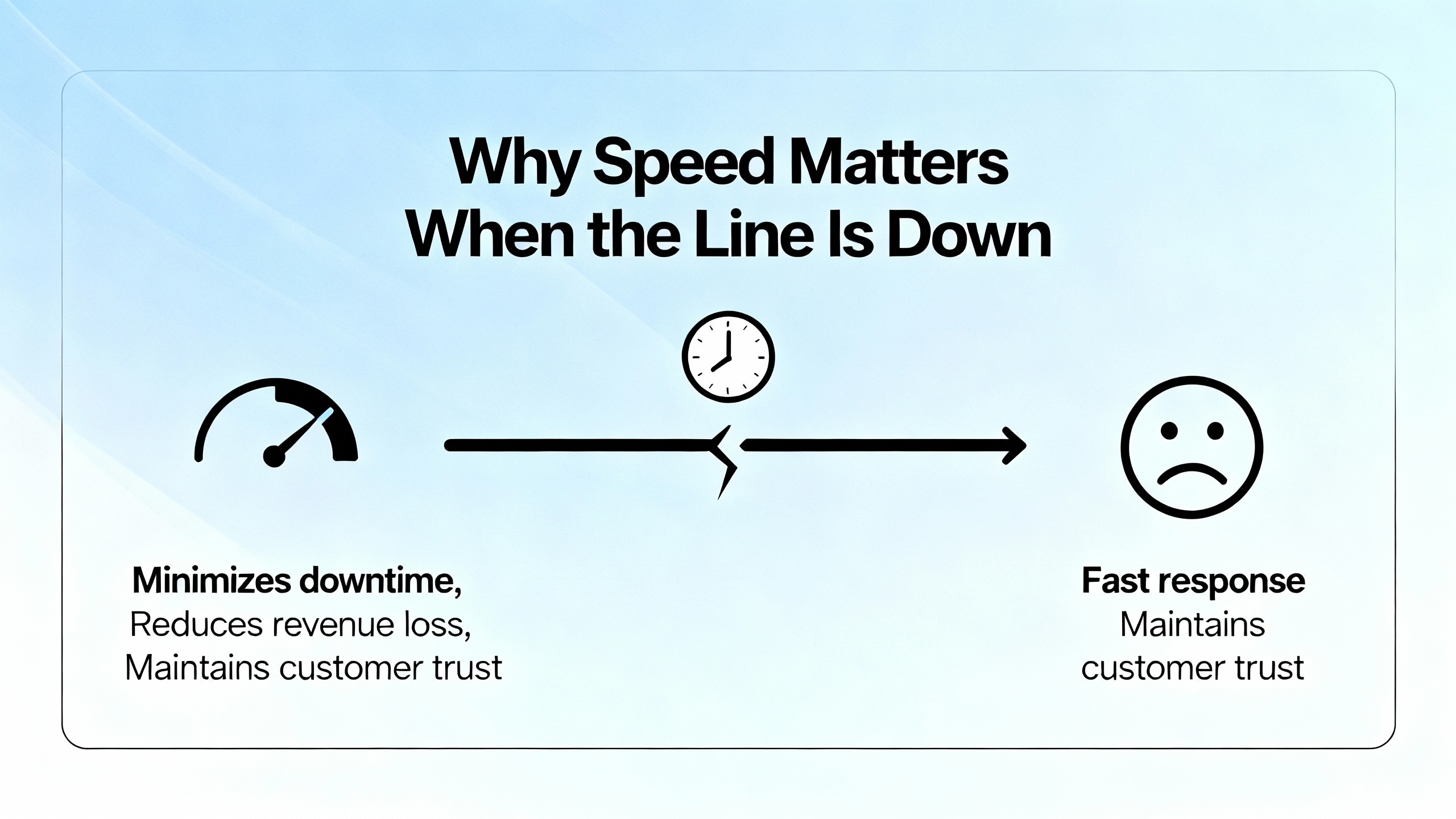
Why Speed Matters When the Line Is Down
When a PLC backplane fails at 2:00 AM and a filling line sits idle, the difference between a same‑day replacement and a two‑day wait is not just freight cost; it is customer commitments, labor rescheduling, and a risk to plant credibility. As a systems integrator who has shepherded production teams through those moments, I’ve learned that the fastest way to stabilize a facility is a disciplined express‑shipping playbook focused on the realities of industrial hardware. The logistics context has only grown tougher: global logistics surpassed $11 trillion in 2024 according to Logistics Viewpoints, transportation routinely accounts for more than half of total logistics cost, and carriers are leaning into dimensional pricing and strict surcharge regimes that punish poor packaging and planning. Meanwhile, ProvisionAI highlights that freight often represents the majority of supply‑chain cost centers, and that most trucks still leave capacity on the table, underlining the need for better load decisions even when the shipment is urgent.
This article explains how to use express shipping for PLC modules—CPU cards, I/O slices, racks, and power supplies—to prevent downtime without letting costs spiral. It blends field‑tested practices with guidance from reputable logistics sources including DHL, Inbound Logistics, Armstrong Transport, Logistics Viewpoints, Artemus Group USA, Kaizen Institute, FarEye, GlobalTranz, DispatchTrack, and others. The goal is not just speed, but predictable speed, achieved through clear definitions, smart trade‑offs, careful packaging, and the right partners.
What “Express” Really Means for PLC Modules
Expedited logistics is a service model that de‑prioritizes consolidation in favor of velocity from point A to point B. Inbound Logistics stresses that true expedited moves use dedicated capacity and point‑to‑point routing to avoid hub dwell and rehandling. TTi Logistics adds the essential operational discipline that makes speed stick: front‑of‑line processing in warehouses, priority boarding, and 24/7 handoffs that keep cargo in motion across time zones. Done correctly, expedited shipping becomes a production tool rather than a panic button, enabling just‑in‑time maintenance and targeted replenishment for critical spares.
The PLC context adds unique requirements. A module that arrives battered or electrostatically compromised creates a second outage the moment you power up. Sensitive electronics require anti‑static packaging, rigid protection around connectors, moisture control if the route traverses humid corridors, and careful labeling so freight handlers avoid compressive load paths along terminal blocks. Express shipping is not only about flight times and drive miles; it is about eliminating the avoidable risks in the hours between pick and plug‑in.
When to Expedite and When to Hold Your Fire
The best question in a 3:00 AM incident review is the first one Inbound Logistics recommends: “Why expedite, and why now?” If you are protecting a production line from a shutdown, the premium makes sense. If you are protecting only a marginal sales opportunity, the math might not. In practice, the data that should guide the decision is broader than freight rate alone. A total‑cost view includes the value of output saved, the exposure to missed SLAs, and the labor and rescheduling cascades that follow prolonged downtime.
Two technique details matter more than most managers expect. First, specifying the exact delivery need instead of “ASAP” gives your provider freedom to match capacity without paying for the absolute fastest option every time; experienced carriers and 3PLs can shave cost and still meet the real deadline. Second, partial expediting of a subset of modules—ship the CPU and power supply by air, follow with I/O by ground—often restores production faster at a reasonable cost. That is particularly effective when the rack allows hot‑swap or staged restoration.
The Building Blocks Of Reliable Speed
Several logistics capabilities consistently separate smooth expediting from stressful fire drills. A Transportation Management System, as defined by FarEye, automates planning and execution decisions, chooses cost‑efficient routes, and exposes real‑time shipment status. For urgent PLC hardware, that visibility lets maintenance leaders see whether a handoff is on schedule and allows an early pivot if weather or congestion threatens the plan. Route optimization and dynamic rerouting keep trucks out of avoidable delays and align arrival windows with technician schedules. Warehouse automation and disciplined dock‑to‑dock processes reduce picking and staging time; DHL’s guidance on WMS and goods‑to‑person systems is relevant even when the warehouse is simply a well‑organized MRO cage.
DIM pricing and cartonization matter even for small, high‑value electronics. Logistics Viewpoints explains that carriers now charge for space as well as weight, and that right‑sizing boxes and intelligently arranging items can cut freight costs by double‑digit percentages while raising trailer cube utilization. In express scenarios, cartonization is not just a cost lever; it is an integrity lever that reduces the voids that allow shock damage while avoiding oversize penalties that can bottleneck a move at the counter. Across all of this, GlobalTranz and Artemus Group emphasize process integration and documentation discipline. Clean data, accurate master dimensions, and on‑time customs filings are hidden speed—nothing wastes more time than a shipment stalled for paperwork.
Choosing the Right Mode For PLC Hardware
Every urgent shipment is a choice among imperfect options. Armstrong Transport describes the trade‑offs clearly: full truckload offers the fastest ground path, while less‑than‑truckload excels when freight is small but can tolerate longer timelines; air is the fastest of all but carries the highest cost and size constraints; rail and ocean are cost‑efficient but slower and less flexible. Express PLC logistics typically lands on one of three patterns: air for the critical core, hot‑shot ground for regional moves, or an LTL‑to‑final mile hybrid when speed and cost must balance.
| Mode | Typical speed profile | Relative cost | Handling exposure | Best use with PLC modules |
|---|---|---|---|---|
| Dedicated hot‑shot ground (FTL or sprinter) | Fast regional to cross‑state; continuous drive with team ops for long hauls | Medium to high | Low rehandling; single touch | Urgent rack or multiple modules within driving range |
| Express air + local hand‑carry | Fastest for long distance; airport to airport plus final mile | Highest | Low in air; watch handoffs | CPU, power supply, or single high‑value card on a deadline |
| Premium LTL with guaranteed window | Moderate; faster than standard LTL | Medium | Moderate; hub touches | Non‑fragile items or secondary spares when budget matters |
Armstrong Transport also notes that environmental considerations favor consolidation and rail when practical, but for downtime prevention, air and dedicated ground will dominate when the avoided outage drives the business case.
Packaging, DIM Pricing, And The Cost Of “Shipping Air”
Logistics Viewpoints highlights how dimensional pricing penalizes empty volume and how cartonization reduces voids and filler. For PLC modules, right‑sizing cartons and using protective inserts that add strength without bulk limits DIM exposure and rehandling risk. The practical goal in express scenarios is to match the carrier’s cube logic while preserving ESD safety and crush resistance. In practice, that means anti‑static bags around modules, rigid inner cartons that distribute load paths away from connectors, and a master carton sized to carrier tiers. Done well, teams see fewer damage claims and faster counter processing because the freight scans correctly and moves through standard chutes without manual exceptions.
The Express‑Ready Playbook For Downtime Prevention
The best express programs are built before something breaks. In normal operations, build a current bill‑of‑materials view for each line, tie OEM part numbers to approved equivalents, and record firmware and revision dependencies. A maintenance‑driven spares policy should identify true single points of failure so that at least one on‑site spare exists for catastrophic failure modules, while a vendor‑managed inventory buffer holds items with long lead times or uncertain supply. Kaizen Institute’s principle of flow efficiency applies here: design the end‑to‑end process around customer flow time, not local resource utilization, so that approval, pick, and tendering times are minimized when a module fails.
When an incident occurs, triage quickly. Confirm the fault, rule out cabling and power anomalies, and capture the module’s exact part and revision. Engage a 3PL or provider with a vetted network and 24/7 ops. Entourage Freight Solutions emphasizes culture and communication; share the specifics that matter in industrial shipping, including ESD sensitivity, the need for upright handling, and the fact that a technician is waiting. If the job requires crossing borders, Artemus Group’s guidance on filings and documentation discipline helps avoid preventable holds. DispatchTrack reminds us that customers—internal or external—expect full tracking; set proactive ETA updates to keep production and maintenance in lockstep.
During pack‑out, choose carton and material with an eye to both DIM and protection. Logistics Viewpoints recommends standardizing carton sizes where possible and using software‑supported selection; even a simple ruleset that steers single cards to one carton and full racks to another cuts errors. A label strategy with scannable references to the sales order and part number simplifies custody checks at handoffs. At delivery, insist on proof of delivery that includes photos and timestamps, then flow directly to installation and validation with change logs ready for the safety review.
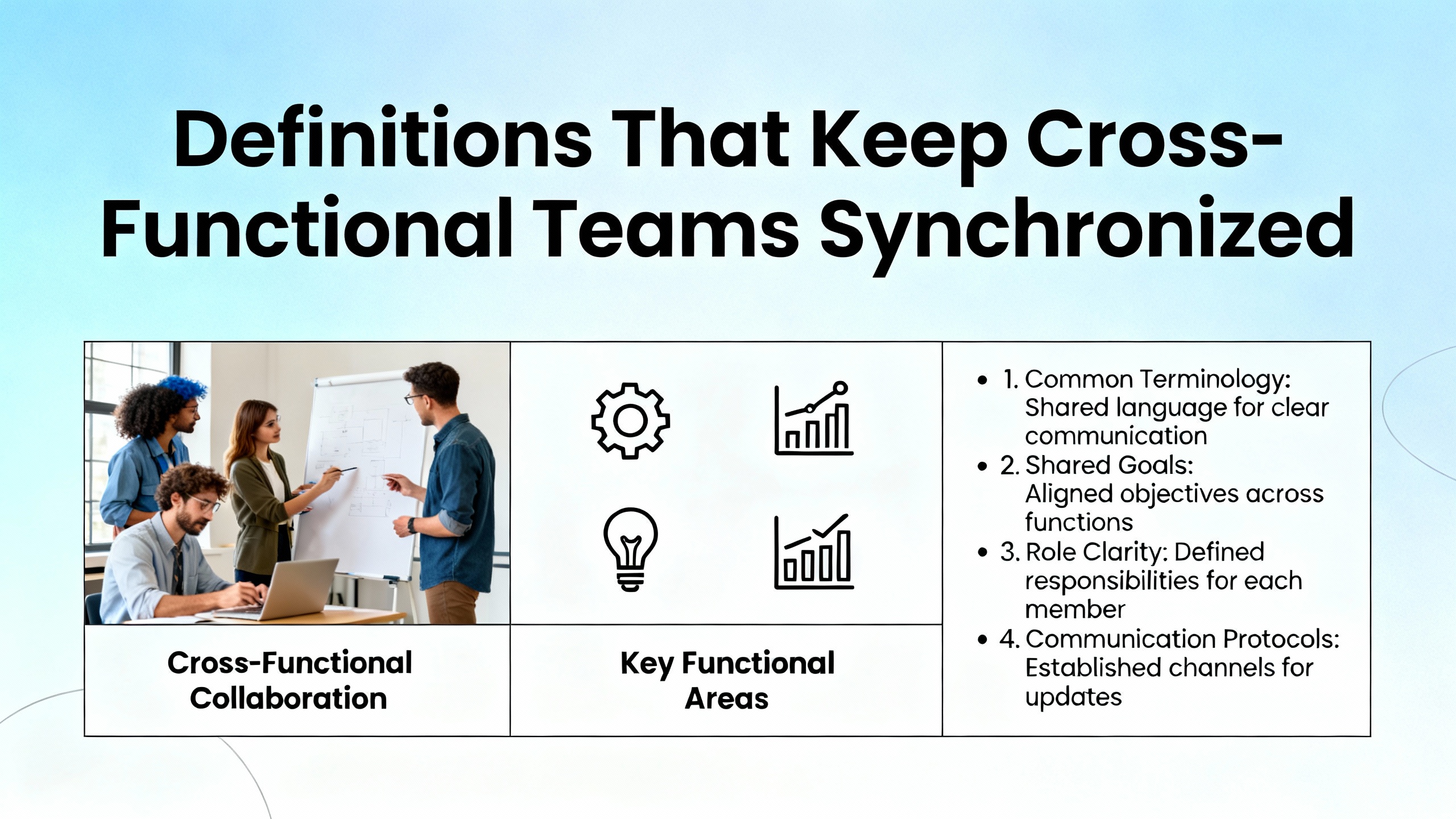
Definitions That Keep Cross‑Functional Teams Synchronized
Clarity reduces delays. A few definitions anchor planning and communication. A PLC module in this context includes CPU cards, power supplies, communication adapters, I/O slices, and racks. Expedited logistics is a speed‑first movement model that uses dedicated capacity and priority handling; it is distinct from standard LTL, which may be mislabeled “expedited” but still follows hub‑and‑spoke dwell. A Transportation Management System, as described by FarEye, is the software that plans routes, executes tenders, and exposes real‑time status. Route optimization uses traffic, capacity, and delivery windows to minimize time and fuel. Vehicle Fill Rate, highlighted by ProvisionAI, measures how fully capacity is utilized, and it is often undermeasured or set against soft targets. Dimensional pricing charges for the space a shipment occupies, not just its weight, and cartonization is the algorithmic selection of the right box and arrangement to reduce cube, waste, and cost. Freight class, used in LTL pricing, ties density and handling to a standardized rate class, which GlobalTranz reminds us to select correctly to avoid reclassification charges. Armstrong Transport explains that full truckload is a single‑shipper use of a trailer, while less‑than‑truckload shares space and spreads cost at the expense of handling and time.
Pros And Cons Of Express Shipping For PLC Modules
Expedited logistics transforms downtime math by reducing line interruptions, enabling JIT maintenance, and supporting service‑level commitments that retain customers. The agility to respond to late design changes or field failures can be a competitive differentiator, particularly when installations are staged across multiple sites. The trade‑offs are straightforward. Express options cost more on the lane level, require tighter coordination, and can become a crutch when planning discipline wanes. Without good packaging, the risk of damage per hour in transit can rise because the freight moves faster through points where mishandling is unforgiving. Used judiciously, express shipping becomes a surgical instrument—reserved for critical components and paired with data that proves its value.
Care, Handling, And Buying Tips That Actually Reduce Risk
The fastest shipment in the world will not help if the module is incompatible or damaged on arrival. In the moments that matter, I have seen three habits make a disproportionate difference. First, verify the exact part, firmware, and revision before buying; a supplier photo and test log save hours. Second, insist on ESD controls in packing and handling, including anti‑static bags and a rigid inner carton that protects keying and connectors; even a short jostle at the counter can bend a pin. Third, align delivery timing with technician availability so the module goes directly from truck to panel, avoiding a second handling cycle in a hurried maintenance shop.
Additional safeguards are pragmatic and low‑tech. Confirm the return and RMA terms in case a module arrives dead on arrival, record serial numbers at tender to simplify chain‑of‑custody, and make insurance clear so that high‑value cards are properly declared. Involve marketing and purchasing in order guidelines that push load factor without creating unshippable orders, a point ProvisionAI emphasizes for enterprise alignment. For routes that cross states with strict axle rules, apply ProvisionAI’s advice and ship in patterns that are axle‑legal to prevent enforcement stops, even if PLC freight is relatively light. Finally, during peak seasons and around major US holidays, book early and keep mode options open, as Armstrong Transport notes that full truckload capacity tightens and rates spike, making LTL or intermodal alternatives more attractive when timelines allow.
KPIs And Governance That Keep Express Honest
Speed without measurement is luck. Artemus Group and Kaizen Institute both advocate a disciplined KPI regime. In the express PLC context, measure on‑time pickup and delivery to scheduled windows, shipping accuracy against part and revision, cost per unit moved, and transit time from order to installation. Vehicle Fill Rate remains relevant even when shipments are small, because a poorly packed master carton can slip into the next pricing tier under DIM rules. Inbound Logistics reports an adoption gap in mid‑mile tracking; bridging that gap with IoT and real‑time visibility helps teams intervene before delays materialize. GlobalTranz recommends treating process improvement as continuous rather than episodic—review exceptions monthly, tune cartonization rules, and refine mode selection rules as your network evolves.
A Simple Decision Matrix You Can Use Tonight
On real calls, the choice often distills to a few patterns. If you are replacing a single CPU card across the country and the line is down, express air coupled with a hand‑carry or hot‑shot final mile is the right call, with extra ESD controls and a technician briefed on arrival timing. If you are refreshing a rack and several I/O slices within 400 miles and the requirement is same‑day start‑up, a dedicated sprinter or full truckload with team driving keeps you in control and avoids airport dwell. If you are replenishing two power supplies and several non‑critical adapters and the window is two days, a guaranteed‑window LTL with strict packaging and correct freight class gives a balanced outcome. These choices mirror the trade‑offs Armstrong Transport and Inbound Logistics outline and reflect the field reality that not every urgent order is equally urgent.
| Situation | Recommended mode | Why it works | Risk controls |
|---|---|---|---|
| Single CPU, line down, cross‑country | Express air + hand‑carry | Fastest lane time; minimal touches | ESD bag, rigid inner carton, explicit handoff notes |
| Rack + multiple I/O within driving distance | Dedicated hot‑shot ground | Continuous drive; single custody | Upright orientation marks; shock/watch labels; proof of delivery photos |
| Secondary spares with 48‑hour window | Premium LTL, guaranteed delivery | Cost–speed balance | Correct freight class; cartonization to avoid DIM penalties |

What I’ve Seen Work On the Plant Floor
Three behaviors consistently separate plants that glide through emergencies from those that struggle. They make decisions with data, not noise—knowing the exact cost of an extra day of downtime makes the expedite decision clear. They rehearse the logistics as seriously as the maintenance, walking through pick, pack, and tender steps so the first urgent order is not the first time the team tries a new process. And they treat providers as partners, not vending machines, sharing constraints early and listening when a seasoned dispatcher offers a slightly slower, substantially cheaper option that still meets the real deadline. The result is lower stress, fewer surprises, and a reputation for being both fast and professional.
Regulatory And Sustainability Considerations That Matter
Compliance is a speed enabler when filings and classifications are correct the first time. Artemus Group USA places heavy emphasis on clean customs documentation and on‑time filings, and that discipline prevents border holds that erase the advantage of express modes. Sustainability creates its own positive feedback loop. Logistics Viewpoints notes that packaging waste remains a significant portion of municipal waste streams. Right‑sizing cartons and standardizing a few sizes that cover most shipments cuts both material use and costs under DIM pricing. DHL’s guidance on WMS and inventory systems also connects to sustainability by reducing mispicks and lowering return shipments. Kaizen Institute’s focus on flow efficiency aligns with conserving energy and time not just in warehouses, but in plant maintenance, where fewer transfers and clearer workflows reduce wasted motion.
Takeaway
Express shipping of PLC modules is not a luxury when the line is down; it is a disciplined capability that keeps commitments whole. The winning approach blends precise definitions, the right mode at the right moment, rigorous packaging that respects DIM and electronic sensitivity, clean documentation, and visibility that keeps stakeholders aligned. Use expedited options for truly critical components, let data justify the spend, and invest in the steady background work—accurate item masters, smart cartonization, current BOMs—that make the fast path reliable. Done well, you will shorten outages, control costs, and build the quiet confidence that maintenance and operations crave when the plant is under pressure.
FAQ
What makes “true expedited” different from just paying more for LTL?
True expedited services use dedicated capacity and bypass hub‑and‑spoke terminals, reducing dwell and rehandling. Inbound Logistics warns that standard LTL is sometimes labeled expedited, but still follows multi‑stop routing and terminal touches that add risk and time. For PLC modules, the difference shows up in fewer handling points and more predictable arrival windows.
Should I always ship PLC modules by air when the line is down?
Not necessarily. Air is fastest, but a dedicated hot‑shot ground run within driving distance can match end‑to‑end speed without airport handoffs. The right choice depends on distance, pickup timing, airport proximity, and how quickly a technician can be ready at the receiving end. Armstrong Transport’s mode guidance helps structure that decision.
How do DIM pricing and cartonization affect small, high‑value electronics?
Dimensional pricing charges for the space a package occupies. Logistics Viewpoints recommends cartonization—selecting the right carton and item arrangement—to reduce voids and lower cost while improving protection. For PLC modules, right‑sized, rigid inner cartons plus anti‑static bags reduce both DIM exposure and damage risk.
What KPIs should I track to manage express PLC shipments?
Track on‑time pickup and delivery against scheduled windows, shipping accuracy by part and revision, cost per unit, and transit time from order to installation. ProvisionAI’s Vehicle Fill Rate remains relevant to avoid oversize tiers, and Inbound Logistics highlights the value of real‑time visibility to close mid‑mile tracking gaps.
How do I avoid customs delays on urgent international shipments?
Prepare complete and accurate documentation, classify goods correctly, and file on time. Artemus Group USA emphasizes the role of accurate filings and standardized processes in avoiding preventable holds. Align with a 3PL that can manage filings and provide live status so you can pivot if a shipment risks delay.
What is the safest way to package PLC modules for express moves?
Use anti‑static bags, rigid inner cartons that protect connectors and keys, and master cartons sized to reduce voids without triggering higher DIM tiers. Label for upright orientation and include scannable references to order and part numbers. Require photo‑backed proof of delivery so you can close the loop quickly at installation.
References
| Publisher | Topic utilized |
|---|---|
| Logistics Viewpoints | Dimensional pricing, cartonization, and cost/sustainability impacts |
| Inbound Logistics | Expedited shipping definition, decision framework, visibility and AI adoption |
| Armstrong Transport | Mode selection trade‑offs across FTL, LTL, air, rail, and ocean |
| TTi Logistics | Operational elements of expedited logistics and use cases |
| ProvisionAI | Vehicle Fill Rate, load planning pitfalls, and capacity insights |
| Artemus Group USA | Documentation discipline, customs filings, and risk management |
| DHL | WMS, IMS, and warehouse automation practices |
| FarEye | Transportation Management System and route optimization definitions |
| Kaizen Institute | Flow efficiency vs. resource efficiency in logistics |
| GlobalTranz | Effective logistics management practices and continuous improvement |
| DispatchTrack | Consumer tracking expectations and last‑mile optimization |
| NetSuite | Shipping strategies, carrier rate context, and hybrid options |
| Entourage Freight Solutions | Expedited strategy, communication, and loading practices |
| thyssenkrupp Supply Chain Services | Logistics resource management and technology adoption |
| Translogistics | Shipper efficiency, 3PL partnerships, and RFP execution |
- https://www.entouragefreightsolutions.com/six-strategies-for-getting-the-most-out-of-your-expedited-logistics
- https://www.armstrongtransport.com/blog/optimizing-logistics-a-complete-guide-to-selecting-transportation-modes
- https://artemusgroupusa.com/supply-chain-best-practices/
- https://www.dispatchtrack.com/blog/logistics-optimization
- https://www.linkedin.com/pulse/5-tips-improving-logistics-efficiency-2025-appvin-k7ffc
- https://www.planimatik.com/blog/how-to-optimize-your-logistics-processes
- https://provisionai.com/essential-tips-for-logistics-load-planning-and-optimization/
- https://scsolutionsinc.com/streamlining-the-shipping-process-for-faster-deliveries/
- https://ship4wd.com/logistics-shipping/supply-chain-agility-strategies
- https://www.thyssenkrupp-supply-chain.com/blog/logistics-resource-management:-5-tips-to-maximize-efficiency
Keep your system in play!


Related articles Browse All
-
 amikong NewsSchneider Electric HMIGTO5310: A Powerful Touchscreen Panel for Industrial Automation2025-08-11 16:24:25Overview of the Schneider Electric HMIGTO5310 The Schneider Electric HMIGTO5310 is a high-performance Magelis GTO touchscreen panel designed for industrial automation and infrastructure applications. With a 10.4" TFT LCD display and 640 x 480 VGA resolution, this HMI delivers crisp, clear visu...
 -
 BlogImplementing Vision Systems for Industrial Robots: Enhancing Precision and Automation2025-08-12 11:26:54Industrial robots gain powerful new abilities through vision systems. These systems give robots the sense of sight, so they can understand and react to what is around them. So, robots can perform complex tasks with greater accuracy and flexibility. Automation in manufacturing reaches a new level of ...
 -
 BlogOptimizing PM Schedules Data-Driven Approaches to Preventative Maintenance2025-08-21 18:08:33Moving away from fixed maintenance schedules is a significant operational shift. Companies now use data to guide their maintenance efforts. This change leads to greater efficiency and equipment reliability. The goal is to perform the right task at the right time, based on real information, not just ...


- Q&A
- Policies How to order Part status information Shipping Method Return Policy Warranty Policy Payment Terms Email Marketing Policy VAT and Import Information
- Asset Recovery
- We Buy Your Equipment. Industry Cases Amikong News Technical Resources Why choose us
- Registered Address
-
32D Guomao Building, No.388, Hubin south Road, Siming district, Xiamen,Fujian, China

Leave Your Comment