
-
Please try to be as accurate as possible with your search.
-
We can quote you on 1000s of specialist parts, even if they are not listed on our website.
-
We can't find any results for “”.
Siemens 6AV2124-0MC01-0AX0 TP1200 HMI Availability: Supply Chain and Delivery Information


Why TP1200 Comfort Availability Matters On Real Projects
When a SIMATIC TP1200 Comfort panel goes dark on a running line, the cost is not measured in part price. It is measured in lost production, stressed operators, and schedule slippage. As a systems integrator, I have seen more downtime from “we cannot get the right HMI in time” than from the HMI hardware itself. The Siemens 6AV2124-0MC01-0AX0 TP1200 Comfort is a core operator interface in many plants, so understanding its availability and delivery realities is as important as understanding its tag structure.
The 6AV2124-0MC01-0AX0 is not an entry-level screen. It is a mid- to high-end Comfort Panel that sits on packaging machines, process skids, and line-level control panels where operators depend on rich graphics, diagnostic screens, and trend views. Distributors such as Control Automation, MRO Electric, and DO Supply describe it as a 12 inch class SIMATIC HMI with a widescreen TFT display, roughly 12.1 inches diagonal, 1280 x 800 pixel resolution, and support for about 16 million colors. Industrial suppliers such as CNC-Shopping and RS-style catalogs position it in the Comfort Panels standard device family rather than the basic line, which is consistent with the kind of installations where engineers standardize on S7-1200 or S7-1500 controllers and PROFINET networks.
Because this panel is central to machine operation, plants usually cannot tolerate long lead times or uncertain quality. The reality today is that you will not see a single unified “availability” answer. Instead you will see a spectrum: Siemens and authorized channels, stocking distributors, secondary marketplaces such as e-commerce platforms, dedicated repair houses, and spare-part specialists. Each route comes with its own risks, delivery patterns, and lifecycle implications.
This article pulls together information from Siemens-focused distributors, specialist repair firms, spare-part suppliers, and industrial cybersecurity advisories to give a realistic view of what it takes to source, deploy, and keep the 6AV2124-0MC01-0AX0 available when you actually depend on it. The aim is not marketing. It is to give you a practical playbook you can use in your project and spares planning.
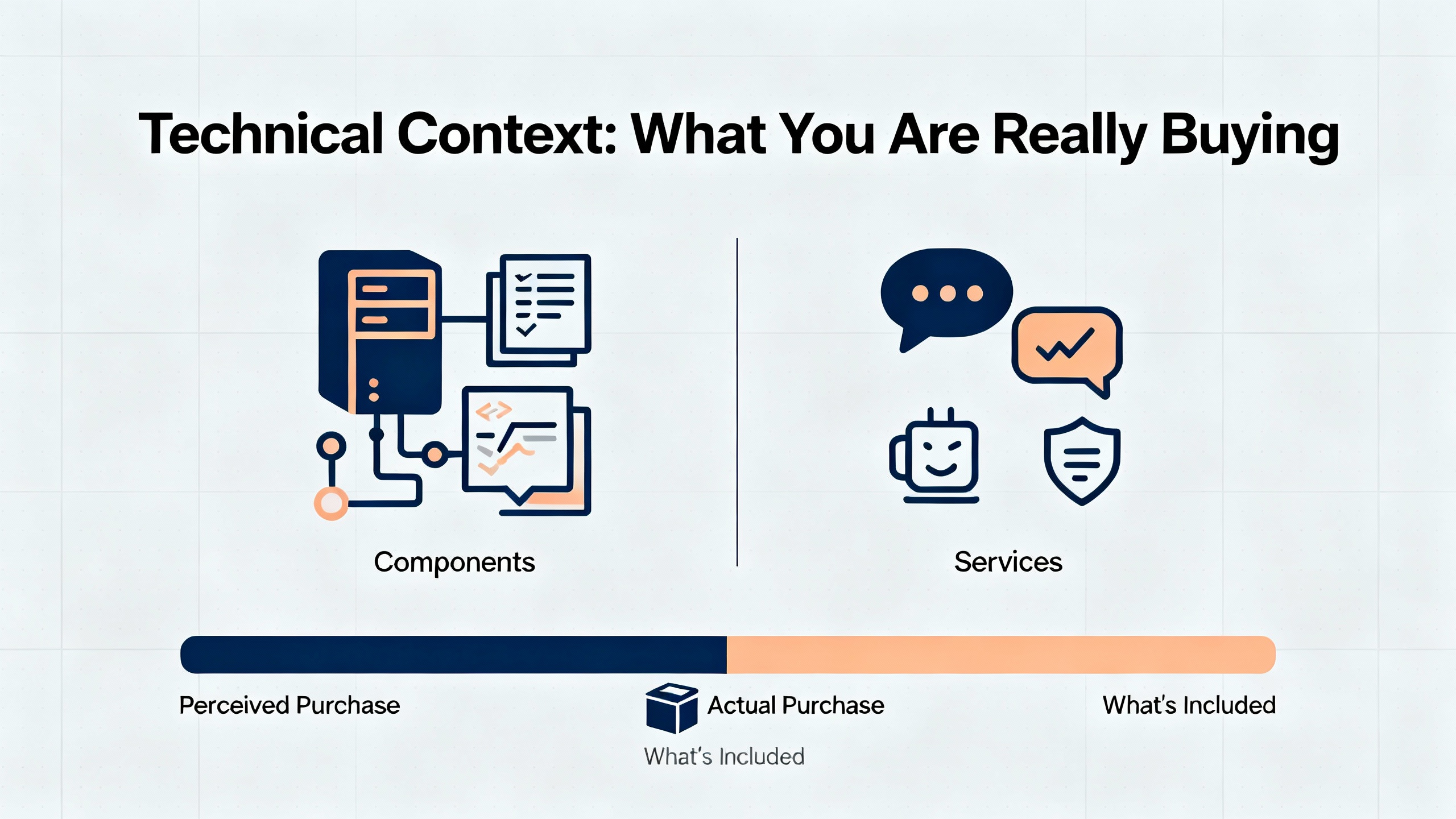
Technical Context: What You Are Really Buying
Before you can make sound availability decisions, you need clarity on what the hardware is and what matters for interchangeability. Different vendors describe the TP1200 Comfort using slightly different language, but their data lines up around a common profile.
DO Supply and MRO Electric describe the TP1200 Comfort as a SIMATIC HMI panel with a 12.1 inch widescreen TFT, native resolution of 1280 x 800 pixels, and full touch operation with an on‑screen alphanumeric keyboard. Multiple sources, including Automa.Net and Control Automation, note that the panel can render about 16 million colors. This matters in practice, because many older HMIs with lower color depth will not display modern WinCC Comfort graphics as designed.
On the electrical side, MRO Electric gives a 24 V DC supply with a typical input current of about 0.85 A and an active power draw around 20 W. That fits neatly into the standard 24 V DC power budgets most control panels already support. Several product descriptions, including Control Automation and CNC-Shopping, specify around 12 MB of configuration memory, which is sufficient for typical machine-level projects with alarms, trends, and language switching.
For connectivity, multiple vendors agree that the 6AV2124-0MC01-0AX0 supports PROFINET and MPI/PROFIBUS DP interfaces. MRO Electric adds that the panel includes two Ethernet ports, a combined RS 422/485 interface, and two USB 2.0 ports. From an integrator’s perspective, that means you can tie it directly into S7-1200 and S7-1500 controllers over PROFINET while still talking to legacy PLCs over PROFIBUS or serial where needed.
The panel runs a Windows CE 6.0 based runtime. Distributors and Siemens-focused suppliers consistently state that engineering is done in WinCC Comfort within the TIA Portal environment, typically from V11 onward. CNC-Shopping explicitly notes that Microsoft security updates for Windows CE 6.0 have been discontinued, which is a lifecycle and cybersecurity consideration you must treat as part of your availability planning, not as an afterthought.
Physically, Control Automation lists a net weight of about 3.463 kg, which is roughly 7.6 lb, and CNC-Shopping gives a product weight around 5.00 kg, roughly 11.0 lb, presumably including packing. Packaging dimensions around 36.20 x 50.90 x 12.60 centimeters convert to approximately 14.25 x 20.0 x 5.0 inches. MRO Electric specifies a viewable front of about 261.1 millimeters by 163.2 millimeters, or roughly 10.3 x 6.4 inches, with support for both vertical and horizontal mounting within specified inclination limits. Vicpas, a spare-part specialist, describes TP1200 fronts with stainless-steel, IP66K-rated faces, underlining that these panels are designed as rugged, front-panel-mounted HMIs for harsh environments.
A concise view of these points is helpful when you are validating alternates or assessing whether a marketplace listing is genuinely equivalent:
| Aspect | Details for 6AV2124-0MC01-0AX0 (from vendor data) |
|---|---|
| Display | Widescreen TFT, roughly 12.1 in, about 1280 x 800 pixels, around 16 million colors |
| Input | Full touchscreen operation with on-screen alphanumeric keyboard |
| Power | Approx 24 V DC, typical current near 0.85 A, about 20 W active power |
| Communication | PROFINET, MPI/PROFIBUS DP, Ethernet ports, RS 422/485, USB 2.0 |
| Memory | Around 12 MB configuration/data memory, with flash and RAM on board |
| Operating system | Windows CE 6.0 runtime, engineered with WinCC Comfort / TIA Portal V11 and newer |
| Weight and packaging | Net weight around 7.6 lb, packaged around 11.0 lb, carton roughly 14.25 x 20.0 x 5.0 in |
| Mechanics | Front around 10.3 x 6.4 in, stainless-steel front described as IP66K-rated by spare-part suppliers |
With this technical baseline, you can evaluate availability claims with more confidence and spot obvious mismatches, such as incorrect screen size, missing interfaces, or incompatible runtime versions.
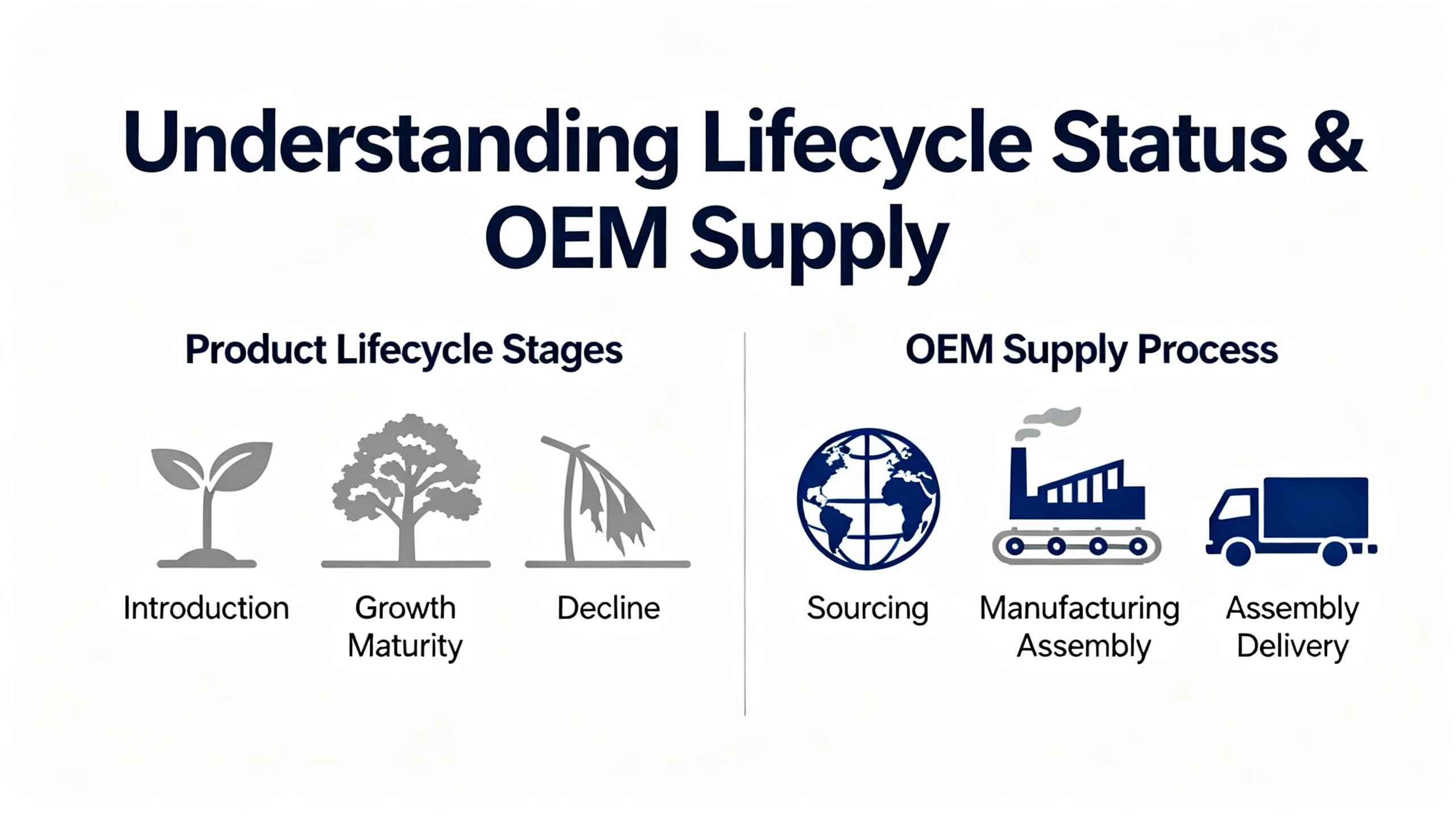
Lifecycle Status and OEM Supply
The safest question to answer first is whether you are dealing with a current or obsolete product. Control Automation’s product data marks the 6AV2124-0MC01-0AX0 with a lifecycle code of PM300 and describes it as an active product. In Siemens lifecycle terminology, that indicates it is still being produced and supported. For project planning, that means it is still appropriate to design in for new equipment, assuming it fits your corporate standards.
The same source classifies the part under Comfort Panels standard devices with a country of origin listed as Germany. Export control data is given as AL: N and ECCN: 9N9999, which, in plain terms, describes a part without special export control restrictions in many jurisdictions. For logistics and trade-compliance teams, that simplifies shipping and customs clearance compared to more tightly controlled automation products.
On the Siemens side, SiePortal is described as an integrated platform that combines Industry Mall and Online Support into one environment. While the notes summarizing SiePortal focus on its role as a unified entry point for product selection, purchasing, and support, in practice that is the official route where you or your distributor will confirm lifecycle status, firmware levels, and documentation for the TP1200 Comfort family. When you are designing a long-lived machine, tying your bill of materials to what appears in SiePortal is a good way to avoid being surprised by an end-of-delivery announcement.
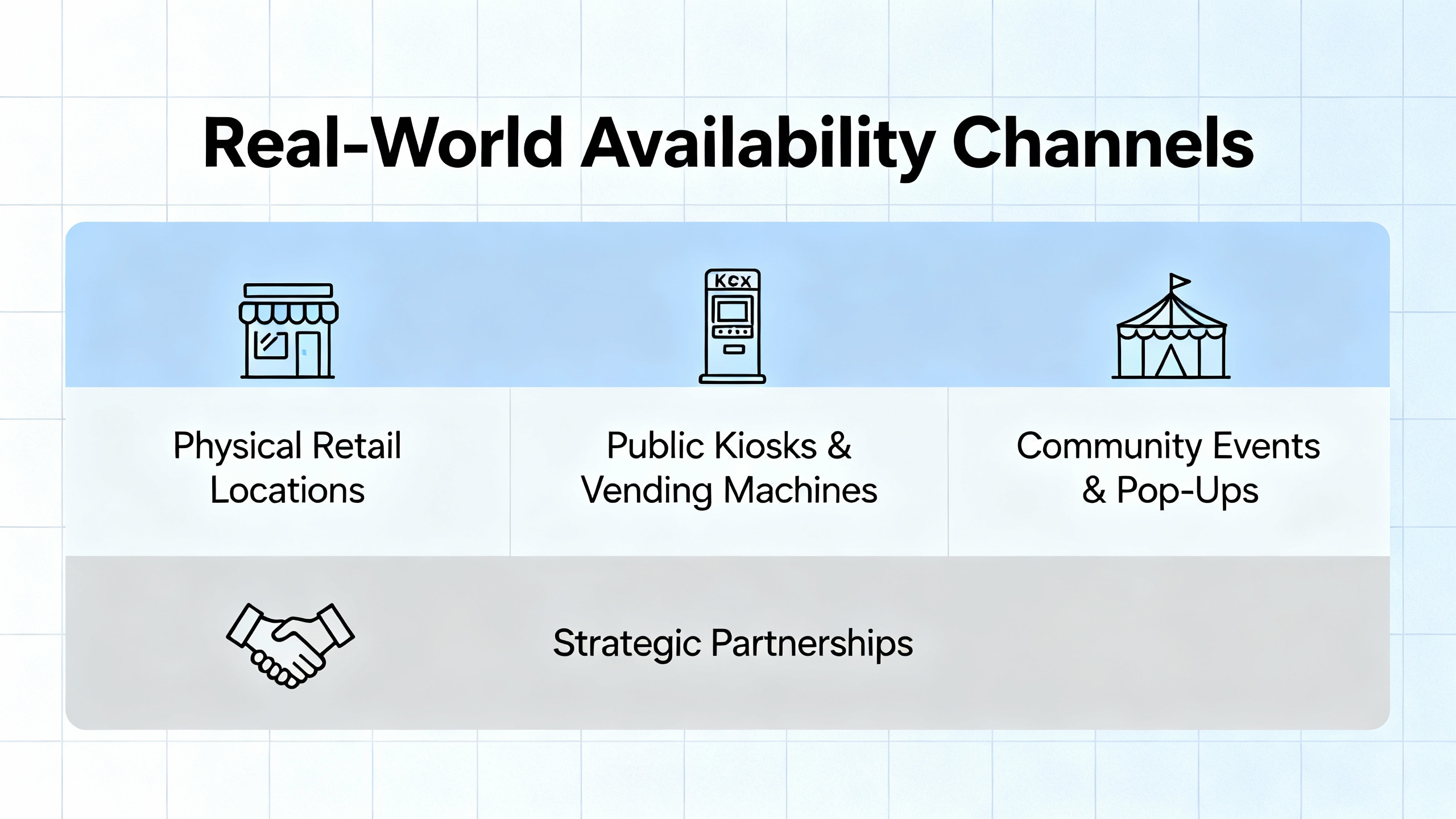
Real-World Availability Channels
For the 6AV2124-0MC01-0AX0, there is no single “best” source. Instead, availability today typically comes from a combination of channels, each with its own trade-offs. The most robust strategies blend them rather than betting everything on one route.
Siemens Digital Platforms and Authorized Channels
Even though the research notes do not list specific lead times from Siemens, the combination of SiePortal and the Comfort Panels catalog is the baseline reference. This is where lifecycle information, official firmware, and approved documentation live. In practice, many end users purchase through local Siemens partners rather than ordering directly, but the Siemens data defines what “real” 6AV2124-0MC01-0AX0 means in terms of hardware revision, supported firmware, and accessories.
From a supply perspective, the benefit of staying inside the official ecosystem is consistency. Firmware compatibility with your TIA Portal version, standardized support, and predictable warranties are strongest when the hardware comes from Siemens or an authorized industrial distributor aligned with Siemens. The cost is often higher than secondary sources, but when you are standardizing on a platform like TP1200 Comfort across sites, that stability has real value.
Specialist Industrial Distributors
Several independent industrial suppliers focus on Siemens hardware and publish detailed information about the 6AV2124-0MC01-0AX0. MRO Electric and Supply, DO Supply, CNC-Shopping, and similar vendors position themselves as stocking distributors or focused resellers rather than general marketplaces.
MRO Electric describes the TP1200 Comfort in depth, including power, memory, backlight characteristics, communication ports, and mounting orientation. They highlight a two-year warranty and free shipping. That combination of technical depth and extended warranty is typical of specialist distributors who both sell new units and support repair or core exchange programs for existing ones.
CNC-Shopping presents the panel as a 12 inch widescreen color touchscreen operator panel within the SIMATIC HMI range, with PROFINET and MPI/PROFIBUS DP interfaces, 24 V DC operation, and 12 MB of configuration memory. They explicitly state that the panel runs Windows CE 6.0 and that Microsoft security updates have stopped for that operating system. Their listing shows a discounted sale price around $2,109.00 compared with a manufacturer’s suggested retail price around $2,550.00, as of a 2024 reference, indicating a typical discount for industrial automation hardware. They also state that the product weight is around 5.00 kg, about 11.0 lb, and that units are suitable for immediate shipment.
For shipping, CNC-Shopping gives concrete options: express shipment using services such as UPS Next Day Air, described as delivery within one business day in the United States, and DHL Express, described as about 24 to 48 hours worldwide to around two hundred countries with tracking and signature. They also mention standard options like UPS Ground, which they describe as roughly three to five days in the United States, and DHL options in Europe around 48 to 72 hours. For an integrator planning a commissioning window, these published shipping profiles are a useful reality check against internal assumptions.
DO Supply focuses more on technical overview and positioning. They describe the 6AV2124-0MC01-0AX0 as a mid-sized, full-touch HMI for industrial environments with around 3.5 kg weight, roughly 7.7 lb. That reinforces the view that this is a robust but still manageable panel for typical control-panel doors.
In practice, specialist distributors are often the fastest way to obtain a TP1200 Comfort when your regular channel is out of stock. Their pros are documented specs, industrial-grade support, and, in some cases, explicit lead-time and warranty statements. The trade-off is that pricing will generally sit between official Siemens channels and low-cost marketplace listings.
Secondary Market and Global Marketplaces
The TP1200 Comfort is popular enough that it appears in secondary-market listings, especially on global marketplace platforms. The research notes include examples of e-commerce listings for the 6AV2124-0MC01-0AX0 that highlight just how broad the pricing and delivery spread can be.
One listing describes a “New Siemens 6AV2124-0MC01-0AX0 6AV2 124-0MC01-0AX0 HMI TP1200 Comfort Panel 12 inch” with a 14‑day return window. The text states that the buyer pays the return shipping and, if a pre-paid shipping label from the platform is used, the cost of that label is deducted from the refund. The return policy text is in Chinese, which suggests that the listing targets Chinese‑speaking buyers or is being viewed through a Chinese‑language interface.
Another marketplace listing shows a price of about $60.00 for a Siemens 6AV2124-0MC01-0AX0 described as new, with item location in Shenzhen, Guangdong, China, and expedited shipping offered worldwide. The listing also shows an approximate converted price into local currency, again reflecting a Chinese‑oriented interface.
The contrast between a roughly $60.00 price on a marketplace and a specialist industrial supplier quoting list prices above $2,000.00 tells you everything you need to know about the range of offers you will see. Low prices can be attractive when you are under budget pressure, but they raise serious questions about authenticity, handling, firmware level, and support.
Control Automation’s data even exposes a different kind of risk: their page heading clearly names the SIMATIC HMI TP1200 Comfort with order number 6AV2124-0MC01-0AX0, but the descriptive text beneath it, likely due to a template issue, mentions a TP700 Comfort with a 7 inch display. That mismatch on a technical site is a reminder that even reputable sources can carry copy-and-paste inconsistencies. On a marketplace listing, you are more exposed to that problem.
From a practical integrator standpoint, the right posture toward marketplaces is cautious and verification‑heavy. If you use them, you should cross-check article number, screen size, interface set, and even front bezel photos against Siemens documentation and detailed distributor descriptions. You also need an internal rule for where marketplace‑sourced hardware is acceptable, for example non‑critical training rigs, versus where you insist on traceable, fully supported units.
Repair and Refurbishment as a Supply Strategy
Given the price spread and lifecycle status, repair and refurbishment are no longer last-resort options; they are part of a rational supply strategy for TP1200 Comfort panels.
Neutronic Technologies, a company specializing in Siemens SIMATIC hardware, profiles the 6AV2124-0MC01-0AX0 as a high‑performance HMI widely deployed in manufacturing and process control where reliability and long-term serviceability matter. They list typical aging and fault modes for these panels, including broken or unresponsive touchscreens, dim or flickering displays, power or boot failures, communication port problems, firmware or HMI software corruption, damaged connectors, and environmental damage from water or dust.
Rather than defaulting to replacement, Neutronic recommends professional repair and refurbishment as a cost‑effective alternative. Their process includes full diagnosis and component-level repair targeted at common failure modes, industrial cleaning to remove contaminants, functional and communication testing, and burn‑in simulation to validate reliability under realistic conditions. They back their work with a one-year warranty on the repair and offer a collection service to bring failed panels into their workshop.
Spare-part specialists such as Vicpas focus at the component level, supplying compatible TP1200 Comfort touch panels, LCDs, protective films, gaskets, and related hardware, sometimes with warranties around 365 days. Vicpas emphasizes that modern HMIs like the TP1200 Comfort are deployed in harsh sectors such as oil and gas, marine, and industrial refrigeration, and they document common issues and remedies: boot failures, communication problems, touch-screen misbehavior, and dim displays. They also note that the LED backlight in the TP1200 Comfort display is rated for up to roughly 80,000 operating hours at about 77°F when used within specified conditions.
Together, these repair and spare-part offerings give you a way to convert an availability problem into a reliability strategy. Instead of scrambling for new hardware whenever a panel fails, you can rotate units through repair, use component-level replacements when only the front or backlight is damaged, and keep your installed base consistent. This approach works particularly well when procurement of new panels is slow or capital budgets are tight.
Maintenance and Contamination Control
Availability is not only about where you buy panels. It is also about how long the panels you already own stay healthy. Contamination is often underestimated here. Fuji Electric, in guidance on maintaining UPS systems and auxiliary equipment, points out that even supposedly clean environments can accumulate dirt, dust, sawdust, and metal filings. They warn that conductive particles can contaminate relay and contactor contacts and cause short circuits or malfunctions on printed circuit boards.
While their article focuses on UPS systems, the same physics applies to HMI panels installed in cabinets near cutting operations or in dusty plants. Fuji Electric recommends thorough cleaning at least once per year using vacuuming with non‑conductive hoses, avoiding blowers and compressed air that can drive contaminants deeper into the unit, and using lint-free cloths lightly dampened with nonflammable, fast-drying solvent for heavy deposits. They stress that all cleaning must be done with equipment de-energized and with appropriate personal protective equipment.
If you combine those maintenance practices with component-level refurbishment options from suppliers like Vicpas, you significantly reduce the odds that your availability problem will start with a preventable contamination failure.
Delivery Considerations: Weight, Packaging, and Shipping
When you are looking at delivery rather than simple availability, a few practical details matter more than spec-sheet trivia. The weight and packaging data from Control Automation and CNC-Shopping provide a realistic picture of what it takes to move a TP1200 Comfort panel quickly and safely.
A net weight around 7.6 lb and packaged weight around 11.0 lb put this panel well within the range of standard parcel shipping rather than freight. The approximate carton size of 14.25 x 20.0 x 5.0 inches is easy to handle on site and simple to store as a spare, but it also means you need an enclosure opening and door that can accept that footprint with appropriate clearances, especially when you plan for spare units stored at another site.
CNC-Shopping’s shipping descriptions show that, for this class of device, overnight and forty‑eight‑hour international delivery are operationally realistic using mainstream carriers. They cite UPS Next Day Air as delivering within one business day in the United States and DHL Express delivering to a wide range of countries in roughly 24 to 48 hours. They also mention ground services around three to five days domestically and regionally targeted services around 48 to 72 hours in Europe.
From a project perspective, that means that when the part is in stock somewhere, the logistics ceiling is measured in days, not weeks. The true bottleneck, in my experience, is almost always stock, commercial approval, or technical verification, not the physical shipping leg. That is another argument for pre‑approved suppliers and clear internal rules on when you can draw from specialist distributors or repair stock versus when you must go through a central purchasing process.
Export control data from Control Automation, showing AL: N and ECCN: 9N9999 with country of origin Germany, indicates that you are not fighting unusual export restrictions for this part. That simplifies global projects that move panels between plants, provided you still respect local customs rules and corporate compliance policies.
Security and Firmware: Availability’s Hidden Constraint
It is easy to treat availability as a pure logistics question, but for TP1200 Comfort panels the operating system and firmware level impose a subtle constraint on how you can safely use whatever hardware you manage to source.
The panel’s runtime is based on Windows CE 6.0. CNC-Shopping explicitly notes that Microsoft security updates for Windows CE 6.0 have been discontinued. That does not mean Siemens stopped supporting the TP1200 Comfort, but it does mean the underlying platform is legacy and must be handled carefully from a cybersecurity standpoint.
The US industrial control systems advisory ICSA‑15‑099‑01E, published by the relevant federal cybersecurity authorities, documents three remotely exploitable vulnerabilities affecting a range of Siemens SIMATIC HMI products, including Comfort Panels and WinCC Runtime Advanced systems, along with related network software. The advisory describes a man‑in‑the‑middle issue on industrial communications over port 102/TCP, a resource exhaustion vulnerability that can cause denial‑of‑service conditions on WinCC Comfort Panels, and a password hash reuse issue affecting WinCC and PCS 7 environments.
Crucially, the advisory notes that Siemens released patches and updates for affected product lines and recommends upgrading to newer WinCC TIA Portal versions such as V13 Service Pack 1 along with corresponding HMI device firmware updates. It also advises operators to protect network access, place devices inside protected IT environments, and configure systems according to Siemens operational guidelines.
From an availability perspective, this means that “new old stock” TP1200 Comfort panels found in secondary channels may require firmware updates before they should be put into production, and that any deployment plan must include time and procedures for patching and configuration. ICS-focused guidance from the same advisory goes further, recommending that control system components not be directly exposed to the Internet, that they sit behind firewalls, and that remote access use secure, up‑to‑date VPNs configured as part of a defense‑in‑depth strategy.
When you weigh your sourcing options, remember that a cheap panel without a clear path to firmware updates and Siemens support is not necessarily a bargain. The cost of mitigating unpatched vulnerabilities through network segmentation, monitoring, and compensating controls can easily exceed the savings on the hardware.
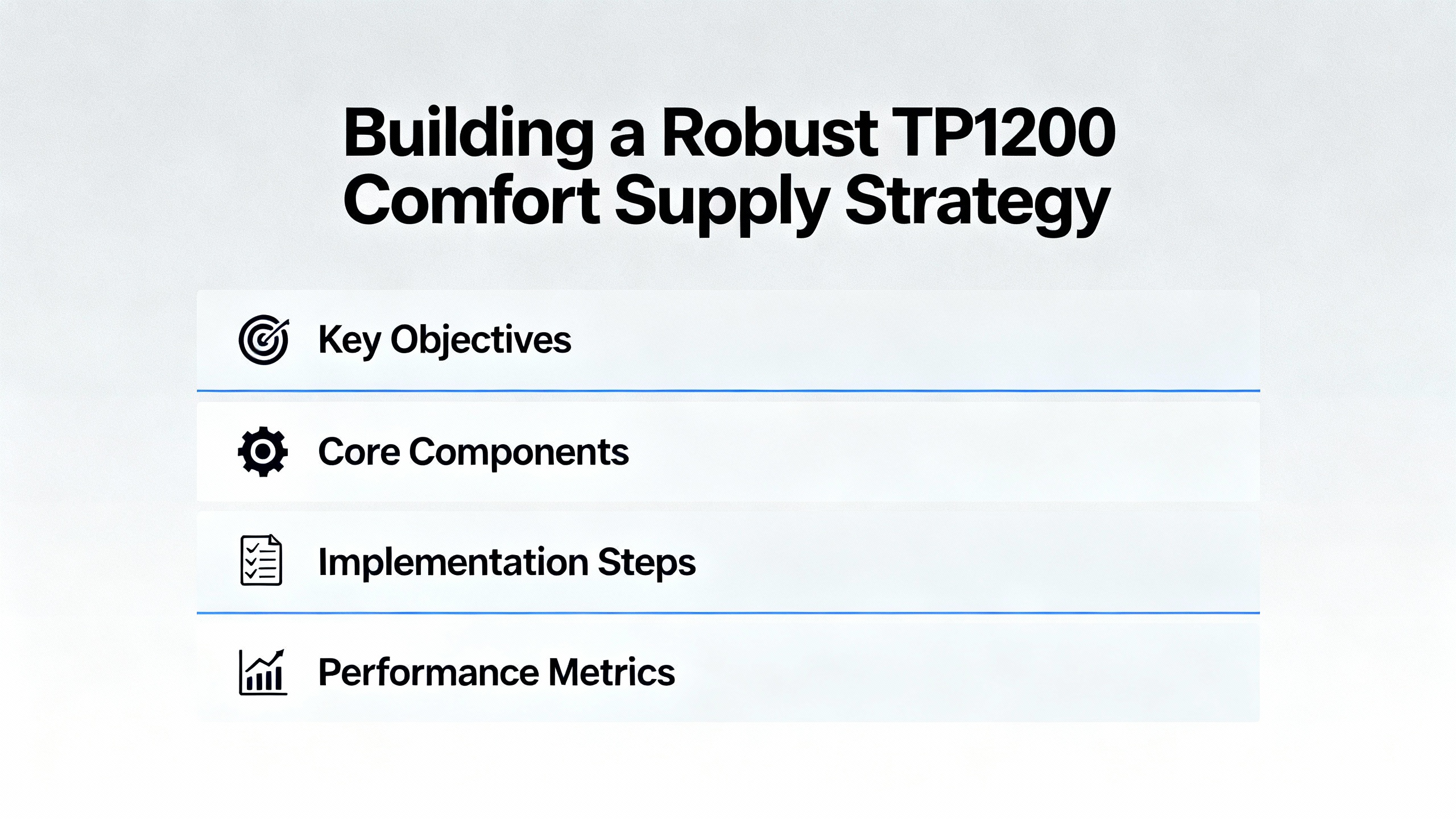
Building a Robust TP1200 Comfort Supply Strategy
In practice, the plants that ride out supply chain turbulence best are those that treat HMI availability as a structured risk management problem rather than a series of one‑off purchases. For the 6AV2124-0MC01-0AX0, that strategy usually blends three elements: official lifecycle visibility, multi‑channel sourcing, and planned repair or refurbishment.
Lifecycle visibility starts with Siemens data through SiePortal and PLM status codes such as PM300. You should be tracking when the product’s status shifts and what migration paths Siemens proposes. That allows you to avoid designing in a panel that is about to enter a phase‑out period and instead plan controlled upgrades.
For sourcing, observe the price and delivery spread implied by the industrial distributors and marketplaces in the research. A Comfort Panel listed around $2,000.00 with a formal warranty and clearly documented shipping options is not competing in the same space as a “new” panel listed at $60.00 from an anonymous seller. In a role where an HMI failure can stop a process line, using specialist distributors such as MRO Electric, CNC‑style industrial suppliers, or authorized Siemens channels for mainline equipment, and confining marketplace purchases to non‑critical applications, is a pragmatic posture.
Repair and refurbishment close the loop. Firms such as Neutronic offer one‑year warranties on TP1200 Comfort repairs and perform full diagnostic, cleaning, and burn‑in tests. Spare-part suppliers such as Vicpas provide new touchscreens, LCDs, gaskets, and protective films rated for the harsh environments where TP1200 panels operate. If you standardize on sending failed units for repair and use component-level replacements when only the front end is damaged, you can keep a smaller fleet of new spares while maintaining high overall availability.
One more subtle point is configuration and download resiliency. The notes on Siemens support forums highlight that TP1200 project download issues often stem from firmware mismatches, IP configuration problems, and security software interference on engineering PCs. If you want to be able to drop in a freshly repaired or newly sourced panel quickly, you need a clean, documented process for aligning firmware versions, IP addresses, and TIA Portal device types, and for resolving download problems using tools like ProSave when necessary.
Finally, maintenance discipline matters. If you pair the contamination control practices recommended by Fuji Electric for power equipment with the HMI-specific troubleshooting and preventive measures detailed by Vicpas, such as regular backups using ProSave, verification of auto‑start settings for HMI runtimes, and periodic checks of cables and connectors, your TP1200 fleet will spend more time running and less time being emergency‑shipped across the country.
FAQ: Common Availability Questions for the 6AV2124-0MC01-0AX0
Is the 6AV2124-0MC01-0AX0 still a viable choice for new projects?
Control Automation’s PLM data lists the TP1200 Comfort with order number 6AV2124-0MC01-0AX0 as an active product (PM300). In Siemens lifecycle terms that means it is still being produced and supported. The Comfort Panel hardware, with a 12.1 inch, 1280 x 800 display, PROFINET, and MPI/PROFIBUS DP interfaces, fits well into modern S7‑1200 and S7‑1500 architectures, and engineering is aligned with TIA Portal WinCC Comfort. The main caveat is that the runtime is based on Windows CE 6.0, for which Microsoft has stopped issuing security updates, and an ICS‑CERT advisory has documented network vulnerabilities affecting Comfort Panels prior to certain firmware and software updates. If your corporate standards accept Windows CE‑based HMIs and you apply Siemens firmware updates, engineering patches, and network segmentation as recommended by industrial cybersecurity guidance, the TP1200 Comfort remains a defensible choice. If you are pushing for longer-term platform modernization, you may decide to use it only where you already have a large installed base and plan for gradual migration later.
How do I avoid getting the wrong panel or a mismatched configuration when ordering?
The safest practice is to treat the full Siemens article number, 6AV2124-0MC01-0AX0, as the primary key and to cross-check it against multiple reputable sources. Control Automation’s listing, for example, shows how even a technical site can mix the correct order number and TP1200 Comfort heading with descriptive text referring to a TP700 Comfort and a 7 inch display. On marketplace listings, you may also see the number written with spaces, such as 6AV2 124‑0MC01‑0AX0, which can hide small but important differences if a digit is wrong. To avoid issues, verify that the order number, screen size (about 12.1 inches rather than 7 inches), resolution (1280 x 800 pixels), interfaces (PROFINET plus MPI/PROFIBUS DP), and power rating (24 V DC) all match what Siemens and detailed distributors describe. When buying from secondary markets or refurbishers, ask for confirmation of firmware version and, if possible, test results or burn‑in reports, as firms such as Neutronic provide. This reduces the risk of receiving a panel that either does not meet your technical requirements or forces you into unexpected firmware downgrades or upgrades.
When does repair make more sense than buying a replacement TP1200 Comfort?
Repair is particularly attractive when the panel’s mechanical integration, configuration, or price make direct replacement painful. Neutronic’s profile of the 6AV2124-0MC01-0AX0 highlights common fault modes like failed touchscreens, dim backlights, boot problems, and communication port issues. In many of those cases, the underlying hardware is still serviceable, and component-level repair paired with industrial cleaning and burn‑in testing can restore full functionality. Given that specialist industrial suppliers quote list prices above $2,000.00 for new TP1200 Comfort units, and marketplace units may come without traceable support, a one‑year‑warrantied repair from a dedicated Siemens HMI repair house can be materially cheaper while preserving your existing project files and mounting arrangements. When the front glass is cracked or the backlight has simply aged, combining repair services with spare touchscreens, LCDs, gaskets, and films from suppliers such as Vicpas can extend the life of the panel without touching the wiring or enclosure. In my experience, repair becomes the default once an HMI has been in service for several years and the plant has at least one spare ready to cover the repair turnaround.
How quickly can I realistically get a replacement TP1200 Comfort when something fails?
The research notes show that when a unit is in stock, express parcel shipping can bring a TP1200 Comfort almost anywhere in the world within a few days. Industrial suppliers such as CNC‑Shopping describe overnight options inside the United States using services like UPS Next Day Air and around 24 to 48 hour delivery to many countries using international express carriers. They also outline standard ground and regional services with delivery windows from roughly three to five days domestically and about two to three days within regions such as Europe. The real constraint is not the transit time but the combination of stock availability, internal purchasing processes, and technical verification. This is why many integrators and plants keep at least one TP1200 Comfort on the shelf for each critical line and use repair partners such as Neutronic, along with spare-part suppliers like Vicpas, to keep that buffer stocked over time.
Closing
Keeping Siemens 6AV2124-0MC01-0AX0 TP1200 Comfort panels available is not about finding a single magical supplier; it is about combining solid lifecycle insight, disciplined multi‑channel sourcing, and a structured repair and maintenance plan. When you treat availability as a design parameter and not a procurement afterthought, your operators will see an HMI that “just works,” and your projects will feel far less hostage to supply chain surprises.
References
- https://www.cisa.gov/news-events/ics-advisories/icsa-15-099-01e
- https://automa.net/product/siemens/6av2124-0mc01-0ax0-63a37c96ca04b4f2592e31ec?srsltid=AfmBOooGPtA6Pbmp0E8hb9nQwvn0yhnMP0yEO8p8aHaSO9OD2Rtd3BAp
- https://www.plctalk.net/forums/threads/siemens-hmi-tp1200-fail.118793/
- https://www.cnc-shopping.us/siemens-6av2124-0mc01-0ax0-simatic-hmi-tp1200-comfort-12-inch-tft-touchscreen-operator-panel-615dc1026cc42-p-9630.html?srsltid=AfmBOopq6WIJPfw_znLc8hTTI-o3ElGUbCCxafgXc4nzFet5-U4MU1cm
- https://blog.cranksoftware.com/human-machine-interface-techniques-and-technologies-for-industrial-automation
- https://control-automation.com/products/6av2124-0mc01-0ax0-simatic-hmi-tp1200-comfort?srsltid=AfmBOorA1-rmdHnHwQWYI9YuQUyhef4-9MN93BeDfALesa5pWR6Per1m
- https://www.ebay.com/itm/236309991121
- https://americas.fujielectric.com/best-practices-for-implementing-hmi-systems/
- https://www.mingosmartfactory.com/hmi-human-machine-interface-manufacturing-explained/
- https://www.mroelectric.com/product/6AV2124-0MC01-0AX0
Keep your system in play!
Top Media Coverage
Categories


Related articles Browse All
-
 BlogImplementing Vision Systems for Industrial Robots: Enhancing Precision and Automation2025-08-12 11:26:54Industrial robots gain powerful new abilities through vision systems. These systems give robots the sense of sight, so they can understand and react to what is around them. So, robots can perform complex tasks with greater accuracy and flexibility. Automation in manufacturing reaches a new level of ...
 -
 BlogOptimizing PM Schedules Data-Driven Approaches to Preventative Maintenance2025-08-21 18:08:33Moving away from fixed maintenance schedules is a significant operational shift. Companies now use data to guide their maintenance efforts. This change leads to greater efficiency and equipment reliability. The goal is to perform the right task at the right time, based on real information, not just ...
 -
 BlogThe Evolution of Steam Turbine Control Systems2026-03-31 08:33:35CALL US:+86-18020776786 | E-MAIL:INFO@AMIKON.CN In-depth analysis of the GE Mark VIe control system Mark VIe: A Modern Mainstay for Industry 4.0 Mark VIe's core concepts are "high availability, open connectivity, and intelligent readiness." It utilizes comm...


- Q&A
- Policies How to order Part status information Shipping Method Return Policy Warranty Policy Payment Terms Email Marketing Policy VAT and Import Information
- Asset Recovery
- We Buy Your Equipment. Industry Cases Amikong News Technical Resources Why choose us FAQs
- Registered Address
-
32D Guomao Building, No.388, Hubin south Road, Siming district, Xiamen,Fujian, China

Leave Your Comment