
-
Please try to be as accurate as possible with your search.
-
We can quote you on 1000s of specialist parts, even if they are not listed on our website.
-
We can't find any results for “”.
Authenticating Genuine Rockwell Automation Parts


As someone who has spent a career integrating Rockwell-based systems into plants that cannot afford surprises, I can tell you that “Is this part genuine?” is no longer a theoretical question. Gray‑market channels, counterfeit hardware, and misrepresented “new” parts are now common enough that you have to assume the risk is real on every project.
This article walks through what Rockwell and its partners actually say about gray‑market and counterfeit product, how to recognize common red flags in the field, how to use Rockwell’s own tools intelligently (including its AI assistants), and how to handle suspect parts through proper returns and claims. The focus is pragmatic: what a controls engineer, maintenance supervisor, or project manager should do, step by step, to keep unauthorized hardware out of production.
Why Authentic Rockwell Parts Matter
Rockwell Automation’s own product safety program emphasizes that its controllers, drives, HMIs, and safety devices are designed and managed as part of a formal product safety and quality system that spans development, manufacturing, incident reporting, and continuous improvement. Dedicated safety and quality experts support each product line, and safety concerns are supposed to be reported and investigated systematically. When you bypass that ecosystem by buying from unauthorized sources, you do not just take a chance on one box; you step outside the safety and quality framework that Rockwell is actively managing.
Rexel USA, writing specifically about gray‑market Rockwell products, calls out several concrete risks. Products bought from unauthorized dealers are not eligible for Rockwell warranty. That means a failure in a “cheap” controller or drive does not just cost you the hardware; you are on your own for support and replacement. Gray‑market channels also routinely mishandle firmware and software licensing. Rockwell’s licensing terms restrict software use to authorized customers, and there have been real cases where licenses acquired through unauthorized resale were later deactivated, leaving users scrambling to get their systems legal and functional again.
The same Rexel guidance warns about cybersecurity and safety impact. Using counterfeit or improperly repaired items can introduce unknown components, altered circuitry, and nonstandard firmware into critical control loops. That kind of uncertainty directly conflicts with the defense‑in‑depth model promoted in Rockwell’s industrial security white papers and in broader standards such as ISA and NIST guidance for industrial control systems. Defense‑in‑depth assumes you know what your assets are and how they are built. If you cannot trust the hardware, the whole stack above it is on shaky ground.
In regulated sectors such as life sciences, food and beverage, government, and laboratory environments, the stakes are even higher. Rexel notes that gray‑market sourcing can create regulatory compliance problems, because you may not be able to prove that installed components match the bill of materials and certifications used during validation. Auditors do not look kindly on “bargain” parts with unclear origin.
In short, authenticity is not just a purchasing issue; it is a safety, security, warranty, and compliance control. Treat it accordingly.

Gray Market and Counterfeit: What Rockwell Actually Means
Rockwell’s own blog on unauthorized and counterfeit products, along with allied distributor guidance, draws a clear distinction between authorized channels, gray‑market channels, and outright counterfeit product.
Rockwell uses a limited, authorized distribution model. Genuine new Rockwell products are supposed to be sold either directly by Rockwell or through its network of authorized distributors. Those distributors are not supposed to supply unauthorized resellers. When a product is advertised as “new” outside that ecosystem, it is considered gray‑market, regardless of whether the hardware inside the box started life as genuine.
Gray‑market Rockwell product is described as surplus, old, used, stolen, or otherwise diverted items being resold as “new.” Often these parts were originally obtained through authorized channels but then moved into unauthorized channels through deception, theft, or other opaque means. Even when the hardware is physically genuine, you lose traceability, handling history, and proper warranty.
Counterfeit Rockwell product is a step further. Rockwell and its partners define counterfeit items as trademarked Rockwell or Allen‑Bradley products that contain any non‑factory‑original elements but are marketed as new. Rexel and NJT Automation both echo this definition. The most common counterfeit pattern is not a perfect one‑to‑one copy direct from an illegal factory. Instead, it is a used or damaged genuine unit that has been reworked, fitted with nonoriginal plastics, overlays, or internal components, and then repackaged in a convincing box with fake factory seals and labels. In some cases, there are completely fake assemblies claimed to be Rockwell, built with non‑Rockwell boards and displays.
From Rockwell’s perspective, gray‑market and counterfeit both undermine safety, reliability, and contractual commitments, even if a particular box “happens” to function. That is why their recommendation, and the recommendation from distributors like Rexel, is to avoid gray‑market and unauthorized resellers entirely for anything advertised as new.
How Counterfeit Parts Show Up in Real Projects
Rockwell’s counterfeit‑products blog is blunt about the way unauthorized parts creep into real projects and plants. The pattern is familiar to anyone who has worked through supply‑chain crunches the last few years.
Global supply disruptions and long lead times push buyers and integrators to look for alternative sources. Procurement teams, OEMs, or maintenance staff find online resellers and marketplaces offering “new” Rockwell hardware at attractive prices or with shorter delivery times. On paper, the deal looks good enough to try.
The blog describes several case studies. A North American customer bought Rockwell‑branded product through a U.S. online reseller. The shipment actually originated in China. When issues arose and Rockwell analyzed the goods, a significant portion of the items turned out to be counterfeit. In the South Pacific, a customer learned that its procurement partner had quietly sourced from an unauthorized reseller, forcing the customer to validate its entire installation because counterfeit risk tainted every affected panel. In Europe, a buyer chasing lower prices used unauthorized resellers; engineers later noticed quality problems and Rockwell confirmed that the products were counterfeit imports from a Chinese supplier using fake authorization documents. In Southeast Asia, technical faults during machine commissioning led to the discovery that an OEM had purchased Rockwell product from multiple unauthorized sources, again involving non‑genuine components.
In every one of those stories, any savings from the “deal” were quickly overwhelmed by rework, investigation, reputational damage, and operational risk. That pattern is echoed in the Rexel guidance, which notes that perceived cost or lead‑time benefits from gray‑market purchases are “hard lessons” that usually leave customers worse off than if they had waited and bought through authorized channels from the beginning.

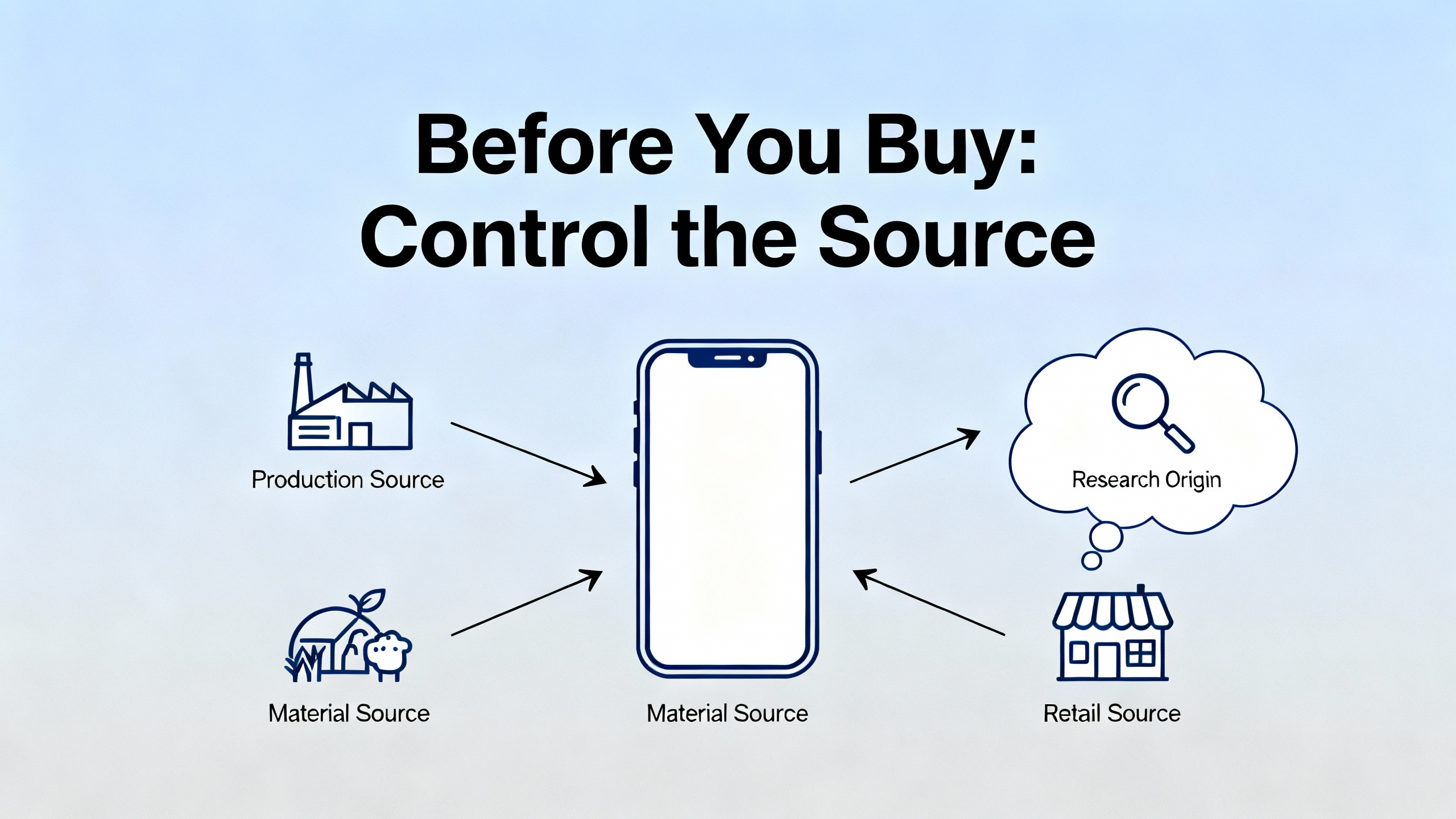
Before You Buy: Control the Source
The most effective way to authenticate Rockwell parts is to prevent questionable hardware from reaching your dock in the first place. That means treating sourcing as a control point, not just a purchasing task.
Rockwell and its partners consistently recommend sourcing only through Rockwell or authorized distributors and avoiding peer‑to‑peer and general online marketplaces for Rockwell products. Rexel explicitly names general marketplaces as common outlets for gray‑market and counterfeit items. If a supplier claims to be “authorized,” you are expected to verify that claim using Rockwell’s partner locator tools or by contacting the local Rockwell Automation office. Do not take a logo on a website or a sales pitch at face value.
The contrast between authorized and gray‑market channels is stark when you look at warranty, licensing, and support.
| Aspect | Authorized Rockwell or Distributor | Gray‑Market or General Marketplace |
|---|---|---|
| Warranty eligibility | Purchases qualify for Rockwell warranty support. | Purchases are not eligible for Rockwell warranty; you rely on the reseller, if at all. |
| Product condition | Shipped as genuine new hardware appropriate for sale. | Often surplus, old, used, damaged, or counterfeit items misrepresented as new. |
| Traceability | Proven chain of custody through Rockwell’s controlled distribution. | Opaque origin; goods may be stolen, diverted, or reworked without disclosure. |
| Licensing and firmware | Proper access to legitimate firmware and software licenses aligned with Rockwell’s terms. | No legitimate license guarantees; there have been cases of deactivated licenses from unauthorized resale. |
| Support and escalation | Direct access to Rockwell support, including safety and quality processes. | Limited or no access to Rockwell support if origin is unauthorized. |
From a project‑risk perspective, that table is reason enough to standardize on authorized channels for any part that can affect safety, uptime, or compliance.
Why “New” Rockwell Parts on Marketplaces Are So Risky
NJT Automation’s guide on spotting fake Allen‑Bradley parts on online marketplaces paints a clear picture of what actually shows up under those “too good to be true” listings.
A large share of “new” Allen‑Bradley PLCs, HMIs, drives, and similar parts on auction and marketplace sites are not truly new. Many are used pull‑outs that have been cleaned up and repackaged. Others are hybrid units, where genuine boards are dropped into aftermarket housings or fitted with nonoriginal keypads and overlays. There are also straight counterfeits built entirely outside Rockwell’s ecosystem. All of these are commonly advertised as “new” or “new old stock” to justify higher pricing.
The same guide notes that overseas sellers frequently present themselves as U.S.‑based using phrases like “US STOCK” and “Fast Free Shipping,” yet the shipments actually originate from places like Shenzhen or Hong Kong. Listings for supposedly new sealed modules cluster around suspiciously low price points, well below the market price for genuine new hardware, and the serial numbers are often removed or obscured. Condition phrases such as “New Open Box,” “NNB,” or “New No Box” are heavily abused to disguise the fact that the item has seen service in the field.
NJT Automation also calls out behavioral red flags. Sellers with very low feedback, long handling times before shipment, and vague or boilerplate descriptions for technical items are strongly correlated with problematic shipments. Buyers report receiving used parts in fake boxes, poor‑quality clones that barely function, or even random low‑value items sent solely to produce a tracking number.
The core recommendation from that guide is to treat every “new” Allen‑Bradley listing on a general marketplace as guilty until proven innocent. If corporate policy allows purchases there at all, you must rigorously vet the seller’s identity, location, photographs, serial numbers, and return policy. In practice, for critical spares and safety‑related components, that level of overhead rarely makes sense compared to using an authorized distributor.
What You Can and Cannot Check Online
Many engineers would like a simple online form where they can enter a serial number or scan a QR code and get a definitive answer: genuine or not. A discussion on a well‑known controls forum highlights this desire. A user there described the rich label on an Allen‑Bradley box, with multiple barcodes, a QR code, and several identifiers, and asked whether Rockwell provides any dedicated website to verify authenticity from that data. They had found Rockwell’s product registration page, which uses the product serial and catalog number to register ownership and warranty, but they did not see any explicit statement that registration also performs an authenticity check. The author openly questioned whether they were missing a hidden capability or whether no such service existed.
In the content captured from that thread, there were no concrete answers or official recommendations, which underlines an important point: community discussion reflects what engineers want, not what Rockwell formally offers. You should not assume that any existing product registration or labeling feature is a magic authenticity oracle. Registration is still valuable because it ties a serial number to your organization and surfaces issues through Rockwell’s official channels, but it is only one piece of a broader authenticity strategy.
Rexel’s guidance encourages customers to use Rockwell’s product registration platform and to familiarize themselves with Rockwell’s security and anti‑counterfeit label technologies. That implies Rockwell’s labels and security features are meant to be checked as part of your receiving procedure. The details of those technologies are described in Rockwell documentation, not in the high‑level AI snippets summarized here, so the practical takeaway is that you should explicitly ask your authorized distributor or Rockwell representative to walk your team through the current label and packaging security features. Then build those checks into your standard operating procedures for receiving.
The other online control you absolutely should use is verification of supplier status. When a new company claims to be “Rockwell‑approved” or an “authorized partner,” validate that claim against Rockwell’s published partner locator or by contacting Rockwell directly. That one phone call or email can save weeks of rework later.
Where Rockwell’s AI Tools Fit (and Where They Do Not)
Rockwell has rolled out AI‑based “Navigator” tools on several of its sites, including the Product Compatibility and Download Center and pages that deal with unauthorized and counterfeit products. These tools can be genuinely helpful for orienting yourself around product families, compatibility questions, or terminology, but Rockwell’s own disclaimers about them are very clear.
The AI Navigator is described as a general informational assistant that may contain errors or inaccuracies and may not reflect the latest developments or expert opinions. Rockwell explicitly states that AI output does not overrule or supersede any product‑specific documentation, manuals, or professional engineering advice. Users are urged to consult official documentation and qualified professionals for decisions that affect safety, regulatory compliance, or system performance.
Rockwell also discloses its data practices around these AI tools. When you use them, Rockwell automatically collects information about you, including the full conversation log, along with additional data from cookies and other tracking technologies. According to Rockwell’s notices, that information is used to provide, maintain, and improve the AI services and is also used for marketing purposes. The stated retention period for AI‑related data is about ninety days, after which information is removed or further processed in line with Rockwell’s privacy policy.
From an authenticity and OT‑security perspective, this has two implications. First, you should treat AI Navigator answers about gray‑market or counterfeit concerns as guidance to help you frame questions, not as an official verdict on whether a specific serial number or label is genuine. Second, you should think carefully before pasting detailed system information, full serial‑number inventories, or sensitive architectural descriptions into an AI chat, even when the tool is run by Rockwell. Ninety days is a short retention window, and Rockwell emphasizes its privacy protections, but good engineering practice is to share only what is genuinely needed for support.
In my own work, I treat Rockwell’s AI tools as a quick way to get pointers into the official documentation or to confirm terminology, and I keep serial‑number level authenticity checks within direct conversations with authorized distributors and Rockwell support.
On Receipt: Inspecting the Hardware You Bought
Even with controlled sourcing, you still need disciplined inspection once parts arrive at your dock. The reality described in the NJT Automation guide is that many “new” Allen‑Bradley units sourced from risky channels pass a superficial glance but fail a closer look.
Start with the label and packaging. Compare box labels, fonts, logos, and barcodes against known‑good examples from authorized shipments. NJT Automation notes that counterfeiters often produce boxes and labels that look close but not identical; you may see home‑made labels, inconsistent print quality, or mismatched information between the box and the device itself. Missing, scratched, blurred, or stickered‑over serial numbers are a major red flag. That kind of concealment can indicate stolen or diverted goods, reuse of one good serial number across many fraudulent units, or attempts to avoid OEM scrutiny. For critical spares, if the serial number is not clearly visible and consistent across packaging and device, you should treat the unit as suspect and escalate before putting it into service.
Next, examine physical condition. According to NJT Automation’s field experience, many counterfeit or misrepresented “new” devices show subtle signs of prior use. On HMIs and drives, backlights and screens may show uneven brightness, slight ghosting, or polishing marks. Mounting feet, DIN clips, and screw heads may show installation marks, tool scars, or wear that new parts simply do not have. Plastics may be faded, yellowed, or mismatched between sections of the housing, especially on hybrid assemblies where a genuine board has been placed into an aftermarket shell.
Once you power up the unit, use diagnostics to confirm that behavior matches the claim of being new. Many HMIs and variable‑frequency drives expose runtime hours or similar internal counters. If a “new” HMI reports thousands of operating hours, or if a “new” drive contains application‑specific parameter sets from someone else’s process, you are clearly not dealing with unused hardware. At that point, do not quietly “make the best of it.” Document what you find, capture photos and screenshots, and involve your supplier and Rockwell support.
NJT Automation also emphasizes the importance of real, multi‑angle photographs in the purchasing and inspection process. Sellers who only provide stock photos, or who refuse to share close‑ups of labels and ports when asked, are not behaving like legitimate partners. When you receive goods, take your own multi‑angle photos before any installation, so you have evidence if you need to file a claim or open a dispute.
Finally, remember that Rockwell and distributors like Rexel urge customers to learn the official security and anti‑counterfeit label features. Once you have that training, make those checks routine for the technicians who sign off on incoming Rockwell shipments.
Handling Suspect or Counterfeit Parts: Returns and Claims
If you suspect that a Rockwell part is gray‑market, misrepresented, or counterfeit, the right response is not to quietly move it into a secondary application. Treat it as a nonconforming product and work through formal returns and claims processes.
A guide for distributors from Continuum on managing Rockwell returns and claims offers a useful blueprint for the kind of documentation and rigor Rockwell expects. Before filing any claim, you should gather the basics: product catalog and serial numbers, firmware version, original purchase order, a detailed description of the issue, system configuration details, and any error logs or diagnostics. For damaged or suspicious hardware, photos of labels, packaging, and physical defects are important, along with integration documentation that shows where and how the part was intended to be used.
Continuum describes several categories of Rockwell‑related returns. There are warranty claims for products under standard or extended warranty, including hardware, software subscriptions, system solutions, and support agreements. There are defective product returns for nonconforming behavior such as malfunctions, communication failures, or integration issues. There are customer satisfaction returns when system requirements evolve and a product no longer fits the application. There are damaged‑goods claims for shipping issues, including visible and concealed transit damage, packaging failures, missing components, and electrostatic‑discharge incidents. Suspected counterfeit or gray‑market goods usually arrive under one of these umbrellas, and the documentation you provide helps Rockwell and the distributor sort out the root cause.
Products returned to Rockwell or its authorized distributors must meet condition requirements. Continuum highlights expectations such as preserving original packaging where possible, returning all components, avoiding unauthorized modifications, maintaining ESD protection, labeling equipment properly, backing up memory or programs before shipment, and attaching a valid return authorization number. Skipping these steps slows down analysis and credit processing.
The end‑to‑end process typically involves initial assessment and diagnostics, claim submission through the appropriate portal with all supporting evidence, creation of a return authorization with handling instructions, physical return using proper ESD‑safe packaging and labeling, and then credit processing and reconciliation. Strong documentation and prompt action are the difference between a smooth claim and a prolonged dispute.
Rexel’s guidance on repairs and remanufacturing reinforces this mindset. For genuine Rockwell equipment that needs repair, they recommend using Rockwell’s own repair and remanufacturing services, which aim to restore parts to the highest quality and safety standards. Third‑party repair houses that are not operating under Rockwell’s quality and security frameworks can inadvertently introduce nonoriginal components and additional cybersecurity and safety risks, effectively turning a once‑genuine part into a gray‑area product.
Building Authenticity into Your OT and Quality Programs
Treating authenticity as a one‑off inspection task misses the point. The more complex and connected your plant becomes, the more authenticity becomes part of your overall OT security and quality strategy.
Rockwell’s industrial security guidance, even in white papers where we do not have the full text, is consistent with broader industry practice around defense‑in‑depth. That model calls for multiple coordinated layers of protection across physical security, network architecture, endpoints, applications, and policies. It also emphasizes structured asset inventory, risk assessment, network segmentation, strong authentication and access control, patch and vulnerability management, and controlled remote access. Authenticity is woven through those layers. You cannot maintain an accurate asset inventory or meaningful risk assessment if an unknown fraction of your controllers and HMIs came from opaque supply chains.
Rockwell’s OT security case studies provide another useful perspective. In one example cited across several Rockwell support and marketing pieces, a top oil and gas producer reportedly reduced OT‑security labor costs by about seventy percent while accelerating OT‑security maturity, improving visibility, and reducing risk across operations. The detailed solution is not laid out in the snippets we have, but the message is clear. When you take a structured approach to OT security and visibility, you can simultaneously lower manual effort and reduce risk. Authenticity checks on new and repaired hardware are a natural part of that structured approach.
Rexel recommends that organizations embed “authorized‑only” sourcing expectations directly into contracts for machines and solutions that use Rockwell components. From a systems‑integrator’s point of view, that is a healthy discipline. When writing specifications or reviewing vendor proposals, insist that Rockwell components be procured only through Rockwell or its authorized distributors. Require proof of authorized sourcing where appropriate, and make that a condition of acceptance.
For plants in regulated industries, work with your quality and regulatory teams to ensure that procurement, receiving, and maintenance procedures all reflect the company’s stance on gray‑market and counterfeit avoidance. Internal audits should be able to trace critical Rockwell components back to legitimate sources, with documentation to back it up.
Finally, make sure your own team is trained. Technicians and engineers should understand Rockwell’s terminology around gray‑market and counterfeit product, know how to recognize common red flags in labels and hardware, and understand the returns and claims process when they find something wrong. Authenticity is not just the buyer’s problem; it is everyone’s job.
Short FAQ
Is registering a Rockwell product proof that it is genuine?
Product registration with Rockwell, using catalog and serial numbers, is an important step because it links the product to your organization for warranty and support. However, neither Rockwell’s nor community sources describe registration as a stand‑alone authenticity verdict. Distributor guidance recommends using registration together with buying through authorized channels and checking Rockwell’s security and anti‑counterfeit labels. In practice, you should consider registration part of an authenticity toolkit, not a single definitive test.
Should I ever buy used or refurbished Allen‑Bradley parts?
NJT Automation points out that professionally refurbished HMIs, drives, and controllers that have been opened, cleaned, re‑capped at known failure points, fully tested, and sold with a meaningful warranty can be safer and more reliable than very old “new old stock” units whose components have aged in storage. The key is transparency and traceability. If you choose to use refurbished hardware, work with refurbishers who clearly identify items as used or refurbished, provide full test reports and warranty, and can explain where their cores come from. For parts that must remain under Rockwell warranty or that affect safety or regulatory compliance, align your decisions with Rockwell’s preference for authorized repair and remanufacturing services.
How cheap is “too cheap” for a “new” Rockwell part?
There is no universal threshold, but NJT Automation’s analysis of marketplace listings highlights patterns where supposedly new sealed Allen‑Bradley modules are offered at uniform, very low price points that are far below typical market pricing for genuine new hardware. When a seller repeatedly advertises “new” Rockwell parts at deep discounts, especially while hiding serial numbers or shipping from unexpected locations, you should treat those offers as suspect. When in doubt, cross‑check pricing and availability with an authorized distributor; if the gap is dramatic, that is a strong signal to walk away.
Authenticating Rockwell Automation parts is not about paranoia; it is about disciplined engineering. If you control your sources, train your people, use Rockwell’s tools wisely, and lean on your authorized partners, you can keep questionable hardware out of your systems and stay focused on what matters: safe, predictable, and productive operations.
References
- https://repositories.lib.utexas.edu/bitstreams/738ddd09-9213-4178-b951-812aead63bd3/download
- https://www.plctalk.net/forums/threads/how-to-verify-genuine-authentic-allen-bradley-ab-hardware-product-by-its-box-label-online.147000/
- https://compatibility.rockwellautomation.com/
- https://resources.gocontinuum.ai/distributor-return-guides/managing-rockwell-automation-returns-and-claims-a-comprehensive-guide-for-distributors
- https://njtautomation.com/guides/spot-fake-allen-bradley-parts-ebay
- https://pacificblueengineering.com/demystifying-rockwell-automation-integrators/
- https://pages.rexelusa.com/blog/automation/risks-of-grey-market-rockwell-automation-products
- https://mrplc.com/forums/topic/45234-how-to-verify-genuineauthentic-allen-bradley-ab-hardware-product-by-its-box-label-online/
Keep your system in play!
Top Media Coverage
Categories

Related Products
-
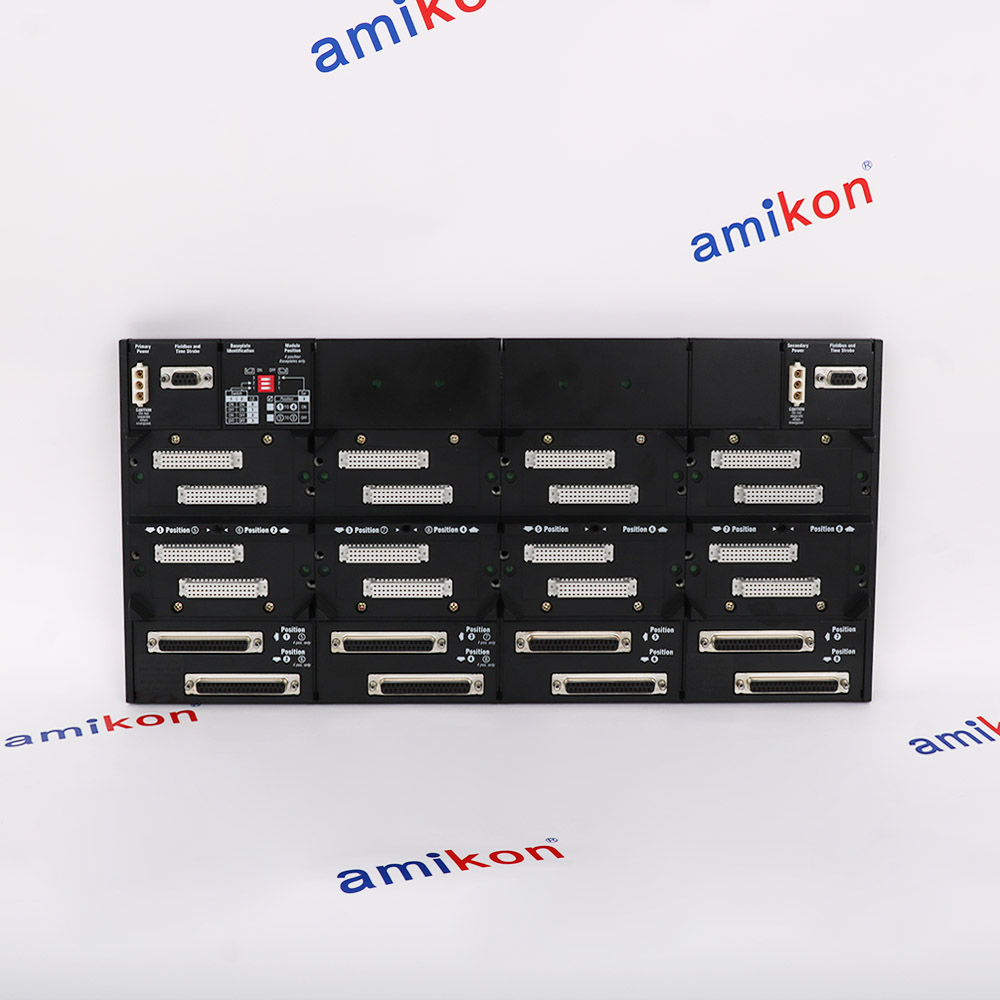 I/A Series BaseplateIn StockManufacturer: Invensys
 -
 Analog output moduleIn StockManufacturer: Invensys
 -
 Digital input moduleIn StockManufacturer: Invensys
 -
 Termination interface cableIn StockManufacturer: Invensys
 -
 Digital output moduleIn StockManufacturer: Invensys
 -
 ANALOGUE INPUT MODULEIn StockManufacturer: Invensys
 -
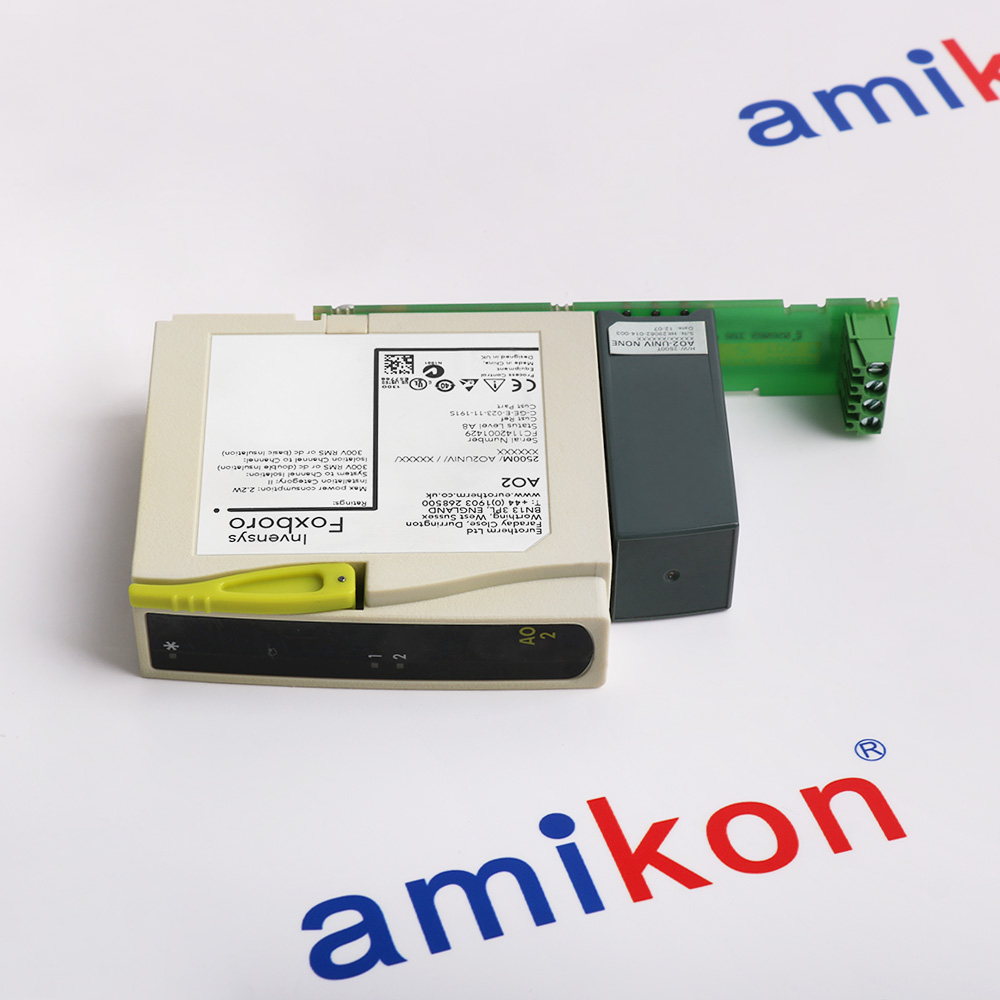 TWO CHANNEL ANALOGUE OUTPUTIn StockManufacturer: Invensys
 -
Cable moduleIn StockManufacturer: Invensys
-
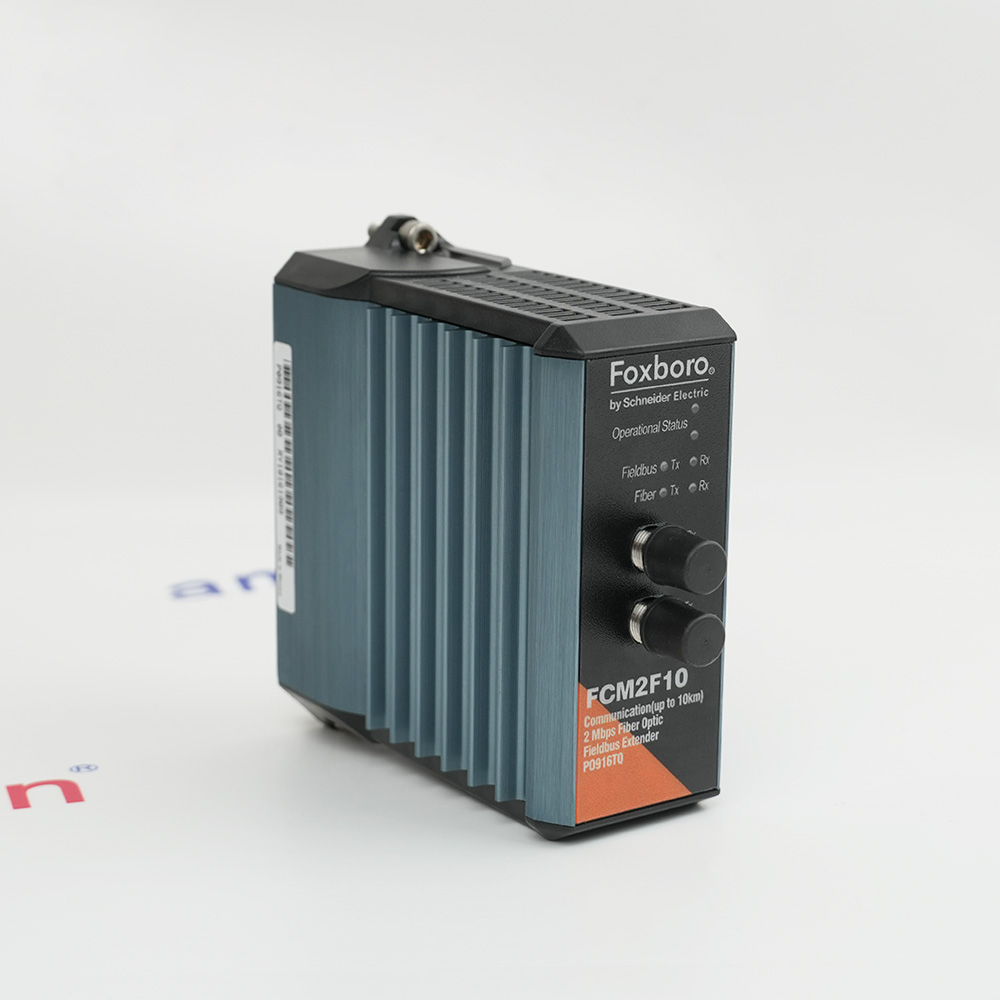 Fiber Optic Fieldbus ExtenderIn StockManufacturer: Invensys
 -
Analog termination cableIn StockManufacturer: Invensys

Related articles Browse All
-
 BlogImplementing Vision Systems for Industrial Robots: Enhancing Precision and Automation2025-08-12 11:26:54Industrial robots gain powerful new abilities through vision systems. These systems give robots the sense of sight, so they can understand and react to what is around them. So, robots can perform complex tasks with greater accuracy and flexibility. Automation in manufacturing reaches a new level of ...
 -
 BlogOptimizing PM Schedules Data-Driven Approaches to Preventative Maintenance2025-08-21 18:08:33Moving away from fixed maintenance schedules is a significant operational shift. Companies now use data to guide their maintenance efforts. This change leads to greater efficiency and equipment reliability. The goal is to perform the right task at the right time, based on real information, not just ...
 -
 BlogThe Evolution of Steam Turbine Control Systems2026-03-31 08:33:35CALL US:+86-18020776786 | E-MAIL:INFO@AMIKON.CN In-depth analysis of the GE Mark VIe control system Mark VIe: A Modern Mainstay for Industry 4.0 Mark VIe's core concepts are "high availability, open connectivity, and intelligent readiness." It utilizes comm...


- Q&A
- Policies How to order Part status information Shipping Method Return Policy Warranty Policy Payment Terms Email Marketing Policy VAT and Import Information
- Asset Recovery
- We Buy Your Equipment. Industry Cases Amikong News Technical Resources Why choose us FAQs
- Registered Address
-
32D Guomao Building, No.388, Hubin south Road, Siming district, Xiamen,Fujian, China

Leave Your Comment